Published2 June 2026Updated6 July 2026
Sutton Coldfield Extensions: What Birmingham City Council Approves
Most extension advice online is generic. It won’t tell you why your neighbour’s two-storey rear extension passed and the near-identical one down the road didn’t. That answer lives in the Birmingham Design Guide, and it’s more specific than you’d think.
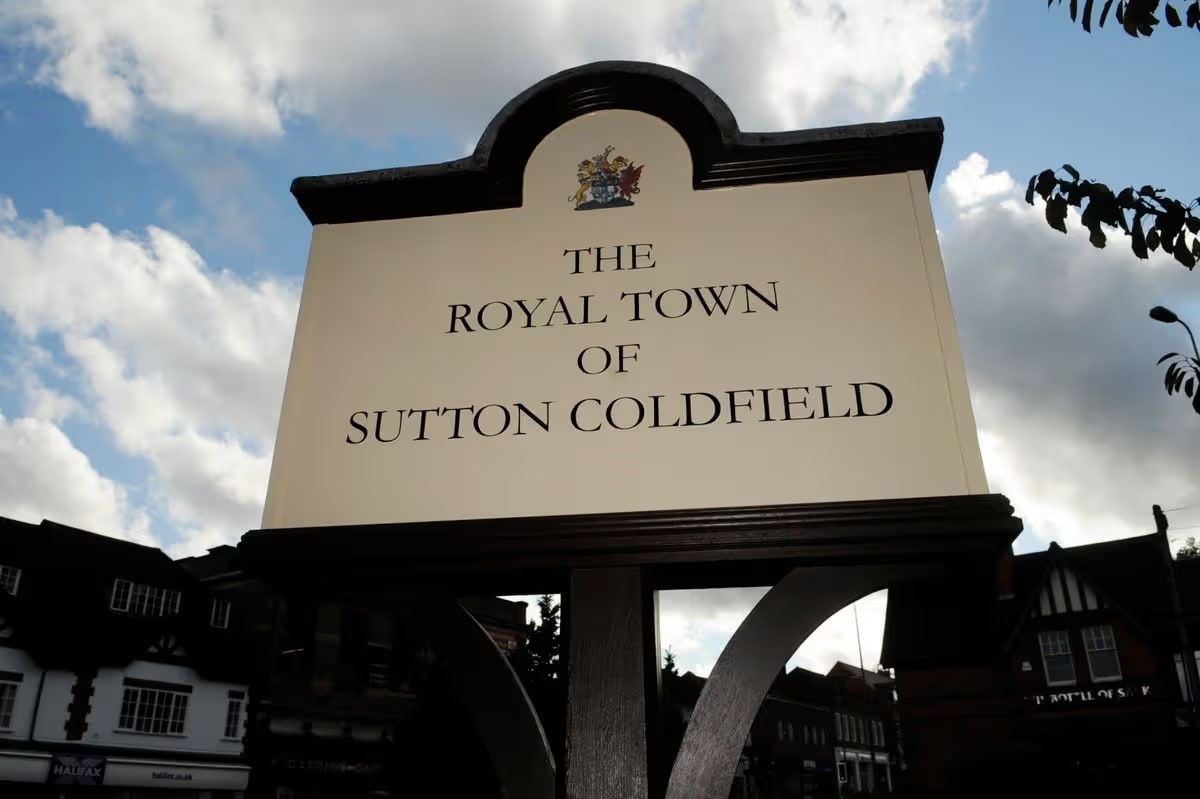
Every extension in Sutton Coldfield is decided by Birmingham City Council. Not a Sutton planning office, not the Royal Town. And since September 2022, the document your application is measured against is the Birmingham Design Guide.
Most advice you'll find online stops at the generic. Permitted development limits, a reminder about party walls, the usual. Useful, up to a point. It won't tell you why your neighbour's two-storey rear extension sailed through and the near-identical one three doors down was refused. That answer sits in the Design Guide.
Here's what the council looks for, and what gets extensions turned down.
Yes, Sutton Coldfield is Birmingham City Council
Sutton Coldfield has its own identity, its own town council, and a long memory of being a borough in its own right. None of that changes who determines your planning application.
Birmingham City Council is the local planning authority for the whole of Sutton Coldfield: Four Oaks, Mere Green, Wylde Green, Boldmere, Walmley, Streetly and the rest.
Your application is judged against two things: the Birmingham Development Plan and the Birmingham Design Guide. The Development Plan tells you what's allowed in principle. The Design Guide tells you whether your specific drawing will pass. This article is about the second one, because that's where most extensions are won or lost.
The Birmingham Design Guide, in plain terms
The Design Guide was adopted on 6 September 2022. It replaced a patchwork of older guidance and now sets the standard for all development across the city. It's made up of six documents: one Design Principles Document and five City Manuals.
For an extension, the manual that matters is Healthy Living and Working Places. Residential extensions are covered in a run of City Notes: appearance, location, roof extensions, basements, garages and garden extensions. Two earlier notes do most of the heavy lifting on whether you get approved: privacy and overlooking, and the 45-degree code.
The principle running through all of it is “align or explain.” Design that fits your house and your street is expected. Anything that departs from it needs a clear, stated reason. “I wanted it bigger” is not a reason the council recognises.
The 45-degree code: the rule that catches people out
If your extension is refused on impact to a neighbour, the 45-degree code is usually why.
The principle is straightforward. Draw a 45-degree line on plan from the nearest primary habitable room window of the house next door. Your extension must not cross it. Habitable rooms are living rooms, bedrooms, some kitchens and conservatories. Bathrooms, utility rooms, halls, landings and garages don’t count, which sometimes works in your favour and sometimes against you.
Where the line starts depends on scale. For a single-storey extension, it’s taken from the mid-point of your neighbour’s nearest ground-floor habitable window. For two storeys or more, it’s the quarter-point. That’s a tighter test, because taller additions block more light. Cross the line, and the council’s default position is refusal.
Three details people miss. The code applies to conservatories, not only solid extensions. It applies to side extensions where you project past the front or rear wall of the house next door, common on the staggered building lines around Four Oaks and Mere Green. And the further your extension sits from the boundary, the less the code bites. Distance is your friend.
Privacy distances
The second test is overlooking. City Note sets minimum distances between dwellings:
- 21 metres between the facing windows of two-storey homes, rising to 27.5 metres at three storeys. Applied more strictly at the rear than the front.
- 12.5 metres between a window and a neighbour’s blank flank wall.
- A 1.8-metre boundary screen or fence where one doesn’t already exist.
These distances are why a first-floor rear extension with new bedroom windows draws more scrutiny than a single-storey kitchen. Add height and glazing facing a neighbour’s garden and you’re into overlooking territory. The fix is rarely “make it smaller.” More often it’s window position, obscured glazing, or a roof form that turns the upper floor away from the boundary.
Subordinate, not dominant
Birmingham wants extensions that read as part of the original house, not a competing structure bolted on. City Notes LW-7 and LW-16 ask that form, mass and scale align with the existing building and the area around it. In practice: a roof pitch that matches, materials that match or sit quietly alongside, window proportions that follow the original, and a ridge that stays below the existing one.
This is where a lot of self-designed extensions come unstuck. A flat-roofed box on a 1930s semi with bay windows and a hipped roof doesn’t align, and there’s rarely an explanation that holds. The council isn’t against contemporary design. It’s against design that ignores its surroundings without saying why.
Conservation areas and Article 4: where the rules tighten
Parts of Sutton Coldfield carry extra protection.
Four Oaks has a large conservation area, designated in 1986, with its own development guidelines covering the estate’s large detached houses and mature plots. Anchorage Road is a conservation area too. And the High Street Sutton Coldfield conservation area carries an Article 4 Direction, which removes permitted development rights. Even minor work like a porch, replacement windows or re-roofing needs a planning application.
If your home sits in one of these, assume permitted development doesn’t apply and plan for a full application. Materials and detail matter far more here, and the council’s tolerance for departure is lower.
What gets refused
The patterns repeat. Extensions are turned down for breaching the 45-degree line, for overbearing two-storey rear additions close to a boundary, for loss of light or outlook to a neighbour, for materials and form that ignore the host house, and for overdeveloping the plot, leaving too little garden or parking.
Almost none of these are about size in the abstract. They’re about relationship: how your extension sits against the house next door, the street, and the building it’s attached to. Get the relationship right and a surprisingly large extension goes through. Get it wrong and a modest one doesn’t.
A Sutton Coldfield example
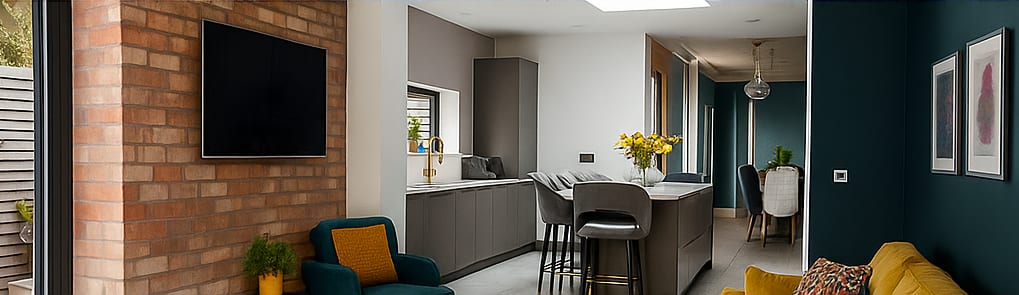
Take a look at how the Birmingham Design Guide is applied in practice against a Sutton Coldfield Article 4 directive and Conservation Area.
Giving yourself the best odds
Three things move the needle.
First, pre-application advice. Birmingham offers it, and for anything ambitious it’s worth the fee. You find out where the council stands before you’ve spent money on a scheme it won’t support.
Second, design to the code, not around it. The 45-degree line and the privacy distances are knowable before a single drawing is done. Working within them from the first sketch beats arguing with them at committee.
Third, be honest about the constraints early. The plots, boundaries and neighbours that shape what’s approvable don’t change. A design that respects them from the start is the one that gets built.
You’re extending a home in Sutton Coldfield, which means Birmingham City Council and the Design Guide are part of your project whether you like it or not. We’ve spent twenty years learning how those rules land in practice: what passes, what gets pushback, and how to design something you want that the council will approve.
Areas We Cover
JSA Architects Across the Midlands
We work with homeowners, developers, and landlords across the Midlands. Fees, planning authorities, and project types vary by location — find local insight and project examples for your area:
Architects in Derby → — Quarndon, Kirk Langley, Duffield, Allestree, Darley Abbey, Mickleover, Littleover
Architects in Nottingham → — The Park Estate, West Bridgford, Edwalton, Mapperley Park, Wollaton, Bramcote
Architects in Lichfield → — Shenstone, Little Aston, Four Oaks, Streetly, Aldridge, Walsall, Tamworth, Whittington
Architects in Solihull → — Knowle, Dorridge, Hampton in Arden, Shirley, Dickens Heath, Olton
Architects in Sutton Coldfield → — Four Oaks, Wylde Green, Boldmere, Mere Green, Streetly, Little Aston
faq's
Common Questions
Not always. Many single-storey rear extensions fall under permitted development. But if you're in a conservation area such as Four Oaks or the High Street, or your home has an Article 4 Direction, those rights are reduced or removed and you'll need a full application. Check before you build.
It's the test Birmingham City Council uses to protect neighbours from loss of light and outlook. A 45-degree line is drawn from your neighbour's nearest habitable room window, and your extension shouldn't cross it. It applies to most extensions, including conservatories.
A householder application is usually determined within eight weeks of validation, though it can run longer if amendments or extra consultation are needed.
Often, yes. But two-storey additions are tested more strictly under the 45-degree code and the council's privacy distances, because they affect more light and overlooking. Position and design matter more here than at single storey.
Birmingham City Council. Despite its separate town identity, Sutton Coldfield's applications are determined by Birmingham, against the Birmingham Development Plan and the Birmingham Design Guide.
Articles
News & Insights
Project updates, practice news, and the occasional hot take. You might just find the spark you're looking for.
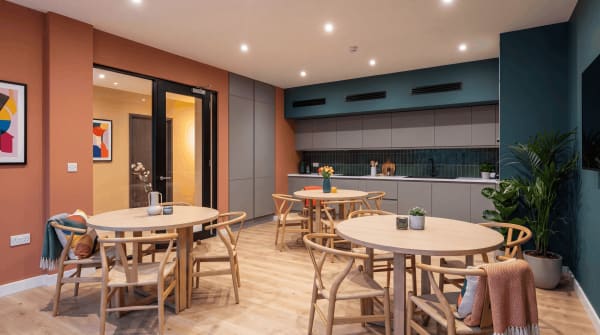
Planning submitted for a 25-room co-living scheme in Derby: deep, dark and full of rules
Deep footprints, dark middles and three sets of rules that don't always agree. What it takes to design co-living studios, and our 25-room scheme in Derby.
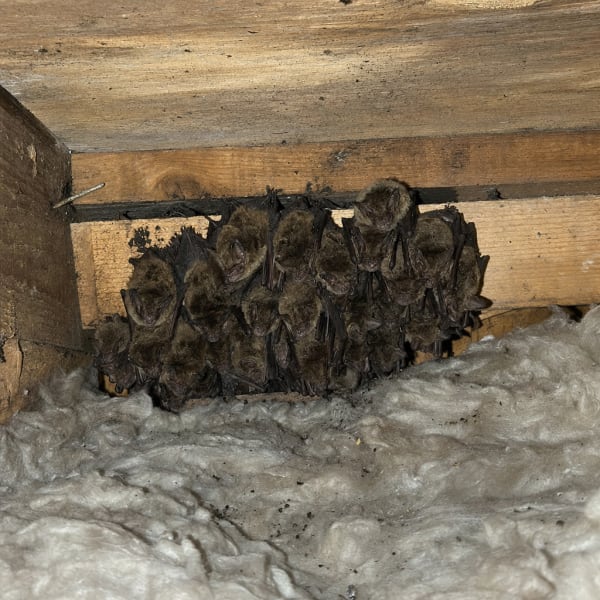
Bat Surveys and Building Projects: Seasons, Licences and Costs
Bats can hold up homes, commercial sites and listed buildings for most of a year. Survey triggers, council rules, permitted development, licences and costs.
A new appointment in Allestree: refurbish or replace?
A new Allestree appointment prompts a practical guide to refurbishing or replacing a house, with a worked cost example, surveys, fees and planning questions.

JSA Appointed for Listed Building Extension in Amber Valley
JSA is appointed to design a sensitive extension to a Grade II listed stone building in Amber Valley, Derbyshire, going to pre-application with CGI support.

Good Architectural Drawings Matter More Than You Think
Poor architectural drawings create assumptions, delays and cost. See why clear, accurate information matters to homeowners and commercial clients.

HMO or Flats? Why Modern Co-Living Falls Between the Rules
When does an HMO become flats? See how planning, licensing, building regulations and fire safety diverge, and how co-living developers can reduce risk early.

The New NPPF Is Here: What the 2026 Rewrite Means for Your Project
The new NPPF landed on 17 August 2026 and applies to decisions now. What changed for extensions, garden plots, small sites and Midlands projects.

We're Revisiting Our Leisure Portfolio
Twenty years of Midlands pub, bar and restaurant projects, plus a decade behind the bar. What a busy summer tells you about the building you trade from.

We Built an App That Keeps You in the Room
Datum is JSA's own project app. Every client gets a login: latest drawings, the brief, where planning's got to and what we did this week. Free on every project.

Biodiversity Net Gain: A Quick Guide for Anyone Who Isn't an Ecologist
What Biodiversity Net Gain requires for new developments in England: the 10% target, who's exempt, and how to plan for it from day one.
A 1960s Bungalow Gets a Contemporary Rethink in Lichfield
A modest 1960s bungalow in Lichfield is being extended and reconfigured for downsizing clients. Planning is submitted to Lichfield District Council.

Little Eaton Dormer Bungalows Approved, No Amendments Needed
Two backland dormer bungalows in Little Eaton have been approved by Erewash Borough Council with no amendments needed. Here's why that's rarer than it sounds.

JSA Appointed to Design 'The Forest': 73 Apartments for T&T Asset Group in Derby City Centre
T&T Asset Group has appointed JSA to design The Forest, a 73-apartment conversion in Derby city centre, covering architecture, interior design and planning.

The Grange, Finished: A Georgian Villa Restored, Warmed and Handed Back
See the finished restoration of The Grange, a Georgian villa in South Derbyshire. JSA acted as both architect and project manager throughout.
Burley Lane Site Progress Update: Quarndon Home Now Taking Shape
Site progress at Burley Lane in Quarndon: stair structure, basement golf simulator, MVHR routes, full-height glazing and November 2026 completion.
Planning Approved for Bramble Street Office-to-Flats Conversion in Derby
A vacant period office on Bramble Street, Derby, has approval for three flats. Now the unglamorous part: stairs, acoustics, flood notes and drawings.

Justin Smith Architects Is Now JSA Architects
Justin Smith Architects is now JSA Architects. Here’s the story, in Justin’s own words, and what the rebrand means for our clients and the practice.

Welcome to JSA, Joao Bravo
Joao Bravo joins JSA as our 3D artist and visualiser. A University of Derby graduate and qualified architectural technologist, originally from Lisbon.

Light at the End of the Terrace: Contemporary Rear Extension to a Victorian Townhouse in Sutton Coldfield
A contemporary rear extension brings light and space to a Victorian townhouse in Sutton Coldfield, and leaves the period terrace out front exactly as it was.

JSA Architects and British Living Group: Working Together on Derby Co-Living Development
JSA is working with British Living Group, one of the Midlands' most commercially minded developers, on a 27-room co-living conversion in Derby.

Lichfield’s Local Plan Might Be Delayed to 2029. If You’re Thinking About a Project, Here’s What That Means for You
Lichfield District Council may delay its 2043 Local Plan. If that sounds like a reason to pause your project, read this first. It probably isn't.
5,500 Homes Are Coming to Walmley. If You’re Already Living There, This Is Your Cue to Stop Putting Off Your Own Project
Birmingham City Council has approved the groundwork for 5,500 new homes near Walmley. If your own project's been on the back burner, this is your sign.

Planning Approved for Brooklands Luxury Dwelling
Golden Brook Developments had a permission for Brooklands and didn't rate the design. We redesigned it, and South Derbyshire has now approved the new scheme.

Planning Submitted: Brooklands' Redesign Heads to South Derbyshire District Council
The design's done and the application's in. Here's what JSA has proposed for Brooklands, a new home in Weston-on-Trent, South Derbyshire.

JSA Architects Appointed to Redesign Brooklands, a Luxury New Build in Weston-on-Trent
A permission existed and a design was on the table. Golden Brook Developments decided it wasn't good enough. They were right, and they called us.
Two Stand-Out Self-Builds Submitted for Full Planning in Little Eaton
Two bespoke self-build homes in Little Eaton designed for standout architecture and smart investment returns.

Major Family Home Remodel Proposed in Repton, South Derbyshire
Modern extension and full internal remodel proposed for character home in sought-after Repton, South Derbyshire.
Planning Appeal Secured for Bold New Home in Quarndon’s Green Belt
A new home in the Quarndon Green Belt, won at appeal. How strategic planning and a strong design got a Green Belt house over the line in Derbyshire.

Windy Rise, Little Eaton: JSA Architects Appointed and Planning Application Submitted
The Windy Rise plot in Little Eaton lost its bungalow to arsonists in 2017, then spent a decade rewilding. Our design for the hillside is now with the council.

Windy Rise Gets the Green Light: Erewash Borough Council Approves the Hillside Home That Made Councillors Say 'Thunderbirds Are Go'
Planning approved at Windy Rise, Little Eaton. Erewash Borough Council approved this Green Belt replacement dwelling 11-1. See how JSA Architects made the case.
Planning submitted for a 25-room co-living scheme in Derby: deep, dark and full of rules
Deep footprints, dark middles and three sets of rules that don't always agree. What it takes to design co-living studios, and our 25-room scheme in Derby.
Bat Surveys and Building Projects: Seasons, Licences and Costs
Bats can hold up homes, commercial sites and listed buildings for most of a year. Survey triggers, council rules, permitted development, licences and costs.
A new appointment in Allestree: refurbish or replace?
A new Allestree appointment prompts a practical guide to refurbishing or replacing a house, with a worked cost example, surveys, fees and planning questions.
JSA Appointed for Listed Building Extension in Amber Valley
JSA is appointed to design a sensitive extension to a Grade II listed stone building in Amber Valley, Derbyshire, going to pre-application with CGI support.
Good Architectural Drawings Matter More Than You Think
Poor architectural drawings create assumptions, delays and cost. See why clear, accurate information matters to homeowners and commercial clients.
HMO or Flats? Why Modern Co-Living Falls Between the Rules
When does an HMO become flats? See how planning, licensing, building regulations and fire safety diverge, and how co-living developers can reduce risk early.
The New NPPF Is Here: What the 2026 Rewrite Means for Your Project
The new NPPF landed on 17 August 2026 and applies to decisions now. What changed for extensions, garden plots, small sites and Midlands projects.
We're Revisiting Our Leisure Portfolio
Twenty years of Midlands pub, bar and restaurant projects, plus a decade behind the bar. What a busy summer tells you about the building you trade from.
We Built an App That Keeps You in the Room
Datum is JSA's own project app. Every client gets a login: latest drawings, the brief, where planning's got to and what we did this week. Free on every project.
Biodiversity Net Gain: A Quick Guide for Anyone Who Isn't an Ecologist
What Biodiversity Net Gain requires for new developments in England: the 10% target, who's exempt, and how to plan for it from day one.
A 1960s Bungalow Gets a Contemporary Rethink in Lichfield
A modest 1960s bungalow in Lichfield is being extended and reconfigured for downsizing clients. Planning is submitted to Lichfield District Council.
Little Eaton Dormer Bungalows Approved, No Amendments Needed
Two backland dormer bungalows in Little Eaton have been approved by Erewash Borough Council with no amendments needed. Here's why that's rarer than it sounds.
JSA Appointed to Design 'The Forest': 73 Apartments for T&T Asset Group in Derby City Centre
T&T Asset Group has appointed JSA to design The Forest, a 73-apartment conversion in Derby city centre, covering architecture, interior design and planning.
The Grange, Finished: A Georgian Villa Restored, Warmed and Handed Back
See the finished restoration of The Grange, a Georgian villa in South Derbyshire. JSA acted as both architect and project manager throughout.
Burley Lane Site Progress Update: Quarndon Home Now Taking Shape
Site progress at Burley Lane in Quarndon: stair structure, basement golf simulator, MVHR routes, full-height glazing and November 2026 completion.
Planning Approved for Bramble Street Office-to-Flats Conversion in Derby
A vacant period office on Bramble Street, Derby, has approval for three flats. Now the unglamorous part: stairs, acoustics, flood notes and drawings.
Justin Smith Architects Is Now JSA Architects
Justin Smith Architects is now JSA Architects. Here’s the story, in Justin’s own words, and what the rebrand means for our clients and the practice.
Welcome to JSA, Joao Bravo
Joao Bravo joins JSA as our 3D artist and visualiser. A University of Derby graduate and qualified architectural technologist, originally from Lisbon.
Light at the End of the Terrace: Contemporary Rear Extension to a Victorian Townhouse in Sutton Coldfield
A contemporary rear extension brings light and space to a Victorian townhouse in Sutton Coldfield, and leaves the period terrace out front exactly as it was.
JSA Architects and British Living Group: Working Together on Derby Co-Living Development
JSA is working with British Living Group, one of the Midlands' most commercially minded developers, on a 27-room co-living conversion in Derby.
Lichfield’s Local Plan Might Be Delayed to 2029. If You’re Thinking About a Project, Here’s What That Means for You
Lichfield District Council may delay its 2043 Local Plan. If that sounds like a reason to pause your project, read this first. It probably isn't.
5,500 Homes Are Coming to Walmley. If You’re Already Living There, This Is Your Cue to Stop Putting Off Your Own Project
Birmingham City Council has approved the groundwork for 5,500 new homes near Walmley. If your own project's been on the back burner, this is your sign.
Planning Approved for Brooklands Luxury Dwelling
Golden Brook Developments had a permission for Brooklands and didn't rate the design. We redesigned it, and South Derbyshire has now approved the new scheme.
Planning Submitted: Brooklands' Redesign Heads to South Derbyshire District Council
The design's done and the application's in. Here's what JSA has proposed for Brooklands, a new home in Weston-on-Trent, South Derbyshire.
JSA Architects Appointed to Redesign Brooklands, a Luxury New Build in Weston-on-Trent
A permission existed and a design was on the table. Golden Brook Developments decided it wasn't good enough. They were right, and they called us.
Two Stand-Out Self-Builds Submitted for Full Planning in Little Eaton
Two bespoke self-build homes in Little Eaton designed for standout architecture and smart investment returns.
Major Family Home Remodel Proposed in Repton, South Derbyshire
Modern extension and full internal remodel proposed for character home in sought-after Repton, South Derbyshire.
Planning Appeal Secured for Bold New Home in Quarndon’s Green Belt
A new home in the Quarndon Green Belt, won at appeal. How strategic planning and a strong design got a Green Belt house over the line in Derbyshire.
Windy Rise, Little Eaton: JSA Architects Appointed and Planning Application Submitted
The Windy Rise plot in Little Eaton lost its bungalow to arsonists in 2017, then spent a decade rewilding. Our design for the hillside is now with the council.
Windy Rise Gets the Green Light: Erewash Borough Council Approves the Hillside Home That Made Councillors Say 'Thunderbirds Are Go'
Planning approved at Windy Rise, Little Eaton. Erewash Borough Council approved this Green Belt replacement dwelling 11-1. See how JSA Architects made the case.
