Published15 April 2026Updated9 July 2026
New Appointment: Class Q Cow Shed Conversion in Sutton Coldfield
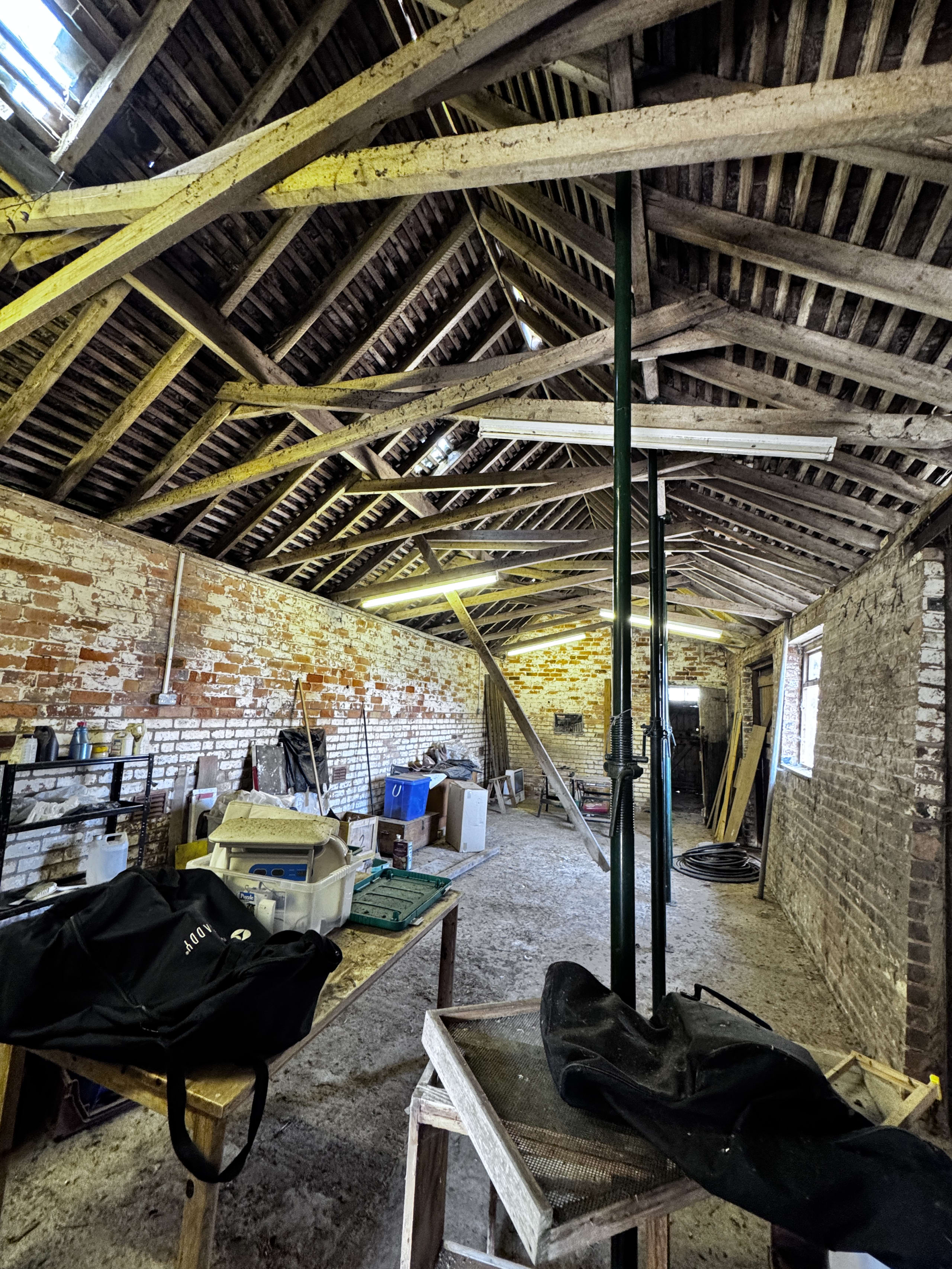
A single-storey brick cow shed on the Canwell Estate. Rolling Staffordshire hills. A Prior Approval application waiting to happen. JSA Architects has been appointed — and we're rather taken with the brief.
A single-storey brick cow shed on the Canwell Estate, rolling Staffordshire hills, and a Prior Approval application waiting to happen. JSA Architects has been appointed, and we're rather taken with the brief.
JSA Architects has been appointed to convert a single-storey brick cow shed on the Canwell Estate into a private countryside dwelling.
The Canwell Estate sits on the Staffordshire and West Midlands border, a few miles north of Sutton Coldfield - working agricultural land with a planning authority that would not normally entertain a new home in this location. That last part is exactly why Class Q exists.
The Barn
The building is a single-storey brick cow shed, looking out over open Staffordshire farmland. Beautiful existing fabric. Clear agricultural use history. A brief for one private countryside dwelling.
Full planning permission for a new dwelling in this location would be a non-starter. Class Q Prior Approval through Lichfield District Council is the route that makes it viable - and this building makes a credible case for it.
Why This Building Suits Class Q
Not every agricultural building qualifies under Class Q permitted development rights, and not every building that qualifies is worth converting. The Canwell cow shed clears both bars.
The single biggest test in a Class Q Prior Approval application is whether the existing building is structurally capable of conversion to residential use without extensive rebuilding. Steel portal frame structures - common in modern agricultural construction - frequently struggle with this assessment. Planning authorities can and do argue that converting a skeletal steel frame amounts to constructing a new building, not converting an existing one.
Brick is different. A brick cow shed arrives at the Prior Approval process with walls that are already doing the structural job a dwelling needs. The character is already there. The argument that the building needs to be substantially rebuilt to accommodate residential use is harder to make when you're looking at solid brick construction with genuine fabric to work with.
The setting also matters. Prior Approval assesses whether the location or siting of a building makes it impractical or undesirable for residential use. An agricultural building on a working estate, with open farmland views and straightforward highway access, doesn't readily support that argument.
The Prior Approval Route
JSA will be pursuing Class Q Prior Approval through Lichfield District Council, which covers the Canwell Estate area. Our Lichfield studio has direct familiarity with the council's planning approach, which matters in practice - not every planning authority interprets Class Q identically, and knowing how a particular authority reads design assessment and structural adequacy is worth something.
Prior Approval under Class Q is not full planning permission. But it isn't a rubber stamp either. The council will assess:
- Design and external appearance of the conversion
- Transport and highway impact
- Flooding and contamination risks
- Noise impacts on the intended resident
- Whether the location makes the building impractical for residential use
Design is the most substantive of these for a building on the Canwell Estate. The brief is a private dwelling - a single home in a rural landscape - which gives the design genuine scope to produce something considered rather than merely compliant. The intention is to work with the character of the existing brick building rather than overlay it with something incongruous.
If you want background on what Class Q actually involves - the rules, the limits, what Prior Approval tests - we've written a plain-English guide. And if you want to understand what changed with the 2024 Class Q reforms, that's covered separately. Both are relevant context for projects like this one.
Why This Project
JSA takes on agricultural conversion work across the Midlands - through Class Q Prior Approval, through full planning applications, and occasionally through hybrid approaches where the permitted development route gets you partway and a full application takes it the rest of the way.
The Canwell Estate appointment is a straightforward brief in the best sense. A building with the right characteristics for the route. A location that will make the design interesting rather than merely functional. A client who arrived with a clear vision of what they wanted and the practical understanding to pursue it properly.
Projects like this are also the reason JSA operates from a Lichfield studio. The Staffordshire countryside, the agricultural estates north of Sutton Coldfield, the planning authority that covers this part of the Midlands: this is territory the Lichfield team knows well.
What Comes Next
Prior Approval documentation is being prepared. The application will be submitted to Lichfield District Council in due course.
We'll share updates as the project progresses — through Prior Approval, into detailed design, and eventually into a full project case study once the conversion is complete.
If you have an agricultural building and you're wondering what the options are - whether Class Q applies, whether the numbers work, whether it's worth a conversation — talk to JSA about your site. We've delivered agricultural conversions across the Midlands and we know how to read a site before committing to a route.
Areas We Cover
JSA Architects Across the Midlands
We work with homeowners, developers, and landlords across the Midlands. Fees, planning authorities, and project types vary by location — find local insight and project examples for your area:
Architects in Derby → — Quarndon, Kirk Langley, Duffield, Allestree, Darley Abbey, Mickleover, Littleover
Architects in Nottingham → — The Park Estate, West Bridgford, Edwalton, Mapperley Park, Wollaton, Bramcote
Architects in Lichfield → — Shenstone, Little Aston, Four Oaks, Streetly, Aldridge, Walsall, Tamworth, Whittington
Architects in Solihull → — Knowle, Dorridge, Hampton in Arden, Shirley, Dickens Heath, Olton
Architects in Sutton Coldfield → — Four Oaks, Wylde Green, Boldmere, Mere Green, Streetly, Little Aston
faq's
Common Questions
JSA Architects has been appointed to convert a single-storey brick cow shed on the Canwell Estate, near Sutton Coldfield, into residential use via the Class Q permitted development route.
Lichfield District Council, which covers this part of the Canwell Estate.
Not every agricultural building qualifies under Class Q; this one meets the structural and prior-use conditions that make it a genuine candidate rather than a stretch.
The local planning authority assesses the application against its defined list of Prior Approval matters rather than a full planning application's broader scope, which is generally a faster route where a building qualifies.
Yes, JSA works on agricultural conversion projects through Class Q Prior Approval across the region, not just around Sutton Coldfield and Lichfield.
Articles
News & Insights
Project updates, practice news, and useful guidance from JSA Architects.
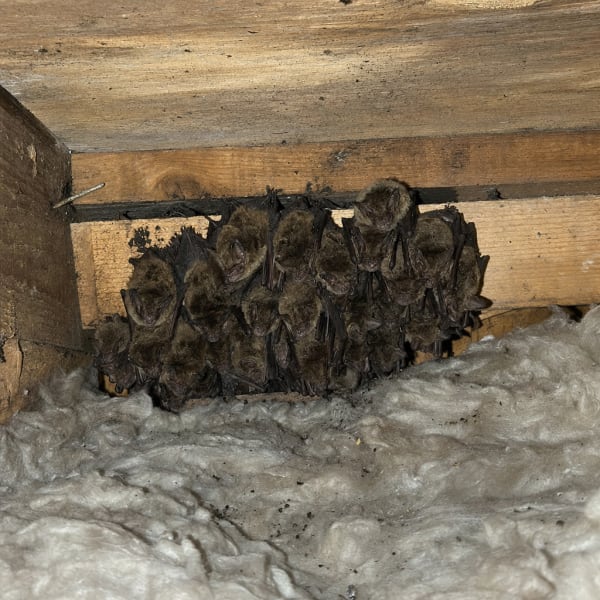
Bat Surveys and Building Projects: Seasons, Licences and Costs
Bats can hold up homes, commercial sites and listed buildings for most of a year. Survey triggers, council rules, permitted development, licences and costs.
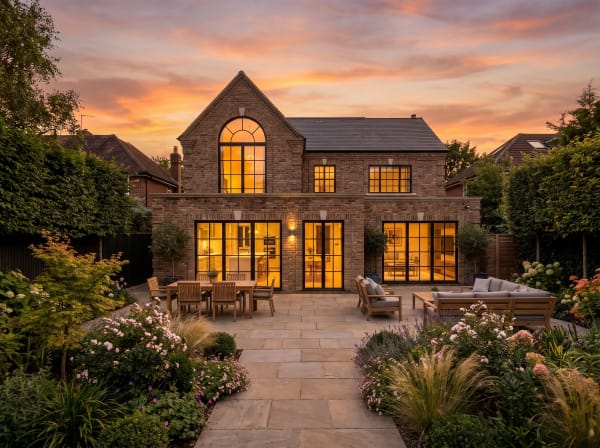
A new appointment in Allestree: refurbish or replace?
A new Allestree appointment prompts a practical guide to refurbishing or replacing a house, with a worked cost example, surveys, fees and planning questions.

JSA Appointed for Listed Building Extension in Amber Valley
JSA is appointed to design a sensitive extension to a Grade II listed stone building in Amber Valley, Derbyshire, going to pre-application with CGI support.

Good Architectural Drawings Matter More Than You Think
Poor architectural drawings create assumptions, delays and cost. See why clear, accurate information matters to homeowners and commercial clients.

HMO or Flats? Why Modern Co-Living Falls Between the Rules
When does an HMO become flats? See how planning, licensing, building regulations and fire safety diverge, and how co-living developers can reduce risk early.

The New NPPF Is Here: What the 2026 Rewrite Means for Your Project
The new NPPF landed on 17 August 2026 and applies to decisions now. What changed for extensions, garden plots, small sites and Midlands projects.

We're Revisiting Our Leisure Portfolio
Twenty years of Midlands pub, bar and restaurant projects, plus a decade behind the bar. What a busy summer tells you about the building you trade from.

We Built an App That Keeps You in the Room
Datum is JSA's own project app. Every client gets a login: latest drawings, the brief, where planning's got to and what we did this week. Free on every project.

Biodiversity Net Gain: A Quick Guide for Anyone Who Isn't an Ecologist
What Biodiversity Net Gain requires for new developments in England: the 10% target, who's exempt, and how to plan for it from day one.
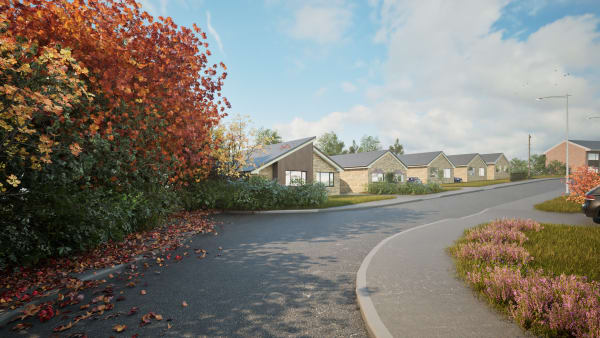
A 1960s Bungalow Gets a Contemporary Rethink in Lichfield
A modest 1960s bungalow in Lichfield is being extended and reconfigured for downsizing clients. Planning is submitted to Lichfield District Council.

Little Eaton Dormer Bungalows Approved, No Amendments Needed
Two backland dormer bungalows in Little Eaton have been approved by Erewash Borough Council with no amendments needed. Here's why that's rarer than it sounds.

JSA Appointed to Design 'The Forest': 73 Apartments for T&T Asset Group in Derby City Centre
T&T Asset Group has appointed JSA to design The Forest, a 73-apartment conversion in Derby city centre, covering architecture, interior design and planning.

The Grange, Finished: A Georgian Villa Restored, Warmed and Handed Back
See the finished restoration of The Grange, a Georgian villa in South Derbyshire. JSA acted as both architect and project manager throughout.
Burley Lane Site Progress Update: Quarndon Home Now Taking Shape
Site progress at Burley Lane in Quarndon: stair structure, basement golf simulator, MVHR routes, full-height glazing and November 2026 completion.
Planning Approved for Bramble Street Office-to-Flats Conversion in Derby
A vacant period office on Bramble Street, Derby, has approval for three flats. Now the unglamorous part: stairs, acoustics, flood notes and drawings.

Justin Smith Architects Is Now JSA Architects
Justin Smith Architects is now JSA Architects. Here’s the story, in Justin’s own words, and what the rebrand means for our clients and the practice.

Welcome to JSA, Joao Bravo
Joao Bravo joins JSA as our 3D artist and visualiser. A University of Derby graduate and qualified architectural technologist, originally from Lisbon.

Light at the End of the Terrace: Contemporary Rear Extension to a Victorian Townhouse in Sutton Coldfield
A contemporary rear extension brings light and space to a Victorian townhouse in Sutton Coldfield, and leaves the period terrace out front exactly as it was.

JSA Architects and British Living Group: Working Together on Derby Co-Living Development
JSA is working with British Living Group, one of the Midlands' most commercially minded developers, on a 27-room co-living conversion in Derby.

Lichfield’s Local Plan Might Be Delayed to 2029. If You’re Thinking About a Project, Here’s What That Means for You
Lichfield District Council may delay its 2043 Local Plan. If that sounds like a reason to pause your project, read this first. It probably isn't.
5,500 Homes Are Coming to Walmley. If You’re Already Living There, This Is Your Cue to Stop Putting Off Your Own Project
Birmingham City Council has approved the groundwork for 5,500 new homes near Walmley. If your own project's been on the back burner, this is your sign.

Planning Approved for Brooklands Luxury Dwelling
Golden Brook Developments had a permission for Brooklands and didn't rate the design. We redesigned it, and South Derbyshire has now approved the new scheme.

Planning Submitted: Brooklands' Redesign Heads to South Derbyshire District Council
The design's done and the application's in. Here's what JSA has proposed for Brooklands, a new home in Weston-on-Trent, South Derbyshire.

JSA Architects Appointed to Redesign Brooklands, a Luxury New Build in Weston-on-Trent
A permission existed and a design was on the table. Golden Brook Developments decided it wasn't good enough. They were right, and they called us.
Two Stand-Out Self-Builds Submitted for Full Planning in Little Eaton
Two bespoke self-build homes in Little Eaton designed for standout architecture and smart investment returns.

Major Family Home Remodel Proposed in Repton, South Derbyshire
Modern extension and full internal remodel proposed for character home in sought-after Repton, South Derbyshire.
Planning Appeal Secured for Bold New Home in Quarndon’s Green Belt
A new home in the Quarndon Green Belt, won at appeal. How strategic planning and a strong design got a Green Belt house over the line in Derbyshire.

Windy Rise, Little Eaton: JSA Architects Appointed and Planning Application Submitted
The Windy Rise plot in Little Eaton lost its bungalow to arsonists in 2017, then spent a decade rewilding. Our design for the hillside is now with the council.

Windy Rise Gets the Green Light: Erewash Borough Council Approves the Hillside Home That Made Councillors Say 'Thunderbirds Are Go'
Planning approved at Windy Rise, Little Eaton. Erewash Borough Council approved this Green Belt replacement dwelling 11-1. See how JSA Architects made the case.

Derby Assembly Rooms - Future of City Centre Development
Why Derby's new Assembly Rooms masterplan validates the mixed-use approach JSA has advocated since 2015.
Bat Surveys and Building Projects: Seasons, Licences and Costs
Bats can hold up homes, commercial sites and listed buildings for most of a year. Survey triggers, council rules, permitted development, licences and costs.
A new appointment in Allestree: refurbish or replace?
A new Allestree appointment prompts a practical guide to refurbishing or replacing a house, with a worked cost example, surveys, fees and planning questions.
JSA Appointed for Listed Building Extension in Amber Valley
JSA is appointed to design a sensitive extension to a Grade II listed stone building in Amber Valley, Derbyshire, going to pre-application with CGI support.
Good Architectural Drawings Matter More Than You Think
Poor architectural drawings create assumptions, delays and cost. See why clear, accurate information matters to homeowners and commercial clients.
HMO or Flats? Why Modern Co-Living Falls Between the Rules
When does an HMO become flats? See how planning, licensing, building regulations and fire safety diverge, and how co-living developers can reduce risk early.
The New NPPF Is Here: What the 2026 Rewrite Means for Your Project
The new NPPF landed on 17 August 2026 and applies to decisions now. What changed for extensions, garden plots, small sites and Midlands projects.
We're Revisiting Our Leisure Portfolio
Twenty years of Midlands pub, bar and restaurant projects, plus a decade behind the bar. What a busy summer tells you about the building you trade from.
We Built an App That Keeps You in the Room
Datum is JSA's own project app. Every client gets a login: latest drawings, the brief, where planning's got to and what we did this week. Free on every project.
Biodiversity Net Gain: A Quick Guide for Anyone Who Isn't an Ecologist
What Biodiversity Net Gain requires for new developments in England: the 10% target, who's exempt, and how to plan for it from day one.
A 1960s Bungalow Gets a Contemporary Rethink in Lichfield
A modest 1960s bungalow in Lichfield is being extended and reconfigured for downsizing clients. Planning is submitted to Lichfield District Council.
Little Eaton Dormer Bungalows Approved, No Amendments Needed
Two backland dormer bungalows in Little Eaton have been approved by Erewash Borough Council with no amendments needed. Here's why that's rarer than it sounds.
JSA Appointed to Design 'The Forest': 73 Apartments for T&T Asset Group in Derby City Centre
T&T Asset Group has appointed JSA to design The Forest, a 73-apartment conversion in Derby city centre, covering architecture, interior design and planning.
The Grange, Finished: A Georgian Villa Restored, Warmed and Handed Back
See the finished restoration of The Grange, a Georgian villa in South Derbyshire. JSA acted as both architect and project manager throughout.
Burley Lane Site Progress Update: Quarndon Home Now Taking Shape
Site progress at Burley Lane in Quarndon: stair structure, basement golf simulator, MVHR routes, full-height glazing and November 2026 completion.
Planning Approved for Bramble Street Office-to-Flats Conversion in Derby
A vacant period office on Bramble Street, Derby, has approval for three flats. Now the unglamorous part: stairs, acoustics, flood notes and drawings.
Justin Smith Architects Is Now JSA Architects
Justin Smith Architects is now JSA Architects. Here’s the story, in Justin’s own words, and what the rebrand means for our clients and the practice.
Welcome to JSA, Joao Bravo
Joao Bravo joins JSA as our 3D artist and visualiser. A University of Derby graduate and qualified architectural technologist, originally from Lisbon.
Light at the End of the Terrace: Contemporary Rear Extension to a Victorian Townhouse in Sutton Coldfield
A contemporary rear extension brings light and space to a Victorian townhouse in Sutton Coldfield, and leaves the period terrace out front exactly as it was.
JSA Architects and British Living Group: Working Together on Derby Co-Living Development
JSA is working with British Living Group, one of the Midlands' most commercially minded developers, on a 27-room co-living conversion in Derby.
Lichfield’s Local Plan Might Be Delayed to 2029. If You’re Thinking About a Project, Here’s What That Means for You
Lichfield District Council may delay its 2043 Local Plan. If that sounds like a reason to pause your project, read this first. It probably isn't.
5,500 Homes Are Coming to Walmley. If You’re Already Living There, This Is Your Cue to Stop Putting Off Your Own Project
Birmingham City Council has approved the groundwork for 5,500 new homes near Walmley. If your own project's been on the back burner, this is your sign.
Planning Approved for Brooklands Luxury Dwelling
Golden Brook Developments had a permission for Brooklands and didn't rate the design. We redesigned it, and South Derbyshire has now approved the new scheme.
Planning Submitted: Brooklands' Redesign Heads to South Derbyshire District Council
The design's done and the application's in. Here's what JSA has proposed for Brooklands, a new home in Weston-on-Trent, South Derbyshire.
JSA Architects Appointed to Redesign Brooklands, a Luxury New Build in Weston-on-Trent
A permission existed and a design was on the table. Golden Brook Developments decided it wasn't good enough. They were right, and they called us.
Two Stand-Out Self-Builds Submitted for Full Planning in Little Eaton
Two bespoke self-build homes in Little Eaton designed for standout architecture and smart investment returns.
Major Family Home Remodel Proposed in Repton, South Derbyshire
Modern extension and full internal remodel proposed for character home in sought-after Repton, South Derbyshire.
Planning Appeal Secured for Bold New Home in Quarndon’s Green Belt
A new home in the Quarndon Green Belt, won at appeal. How strategic planning and a strong design got a Green Belt house over the line in Derbyshire.
Windy Rise, Little Eaton: JSA Architects Appointed and Planning Application Submitted
The Windy Rise plot in Little Eaton lost its bungalow to arsonists in 2017, then spent a decade rewilding. Our design for the hillside is now with the council.
Windy Rise Gets the Green Light: Erewash Borough Council Approves the Hillside Home That Made Councillors Say 'Thunderbirds Are Go'
Planning approved at Windy Rise, Little Eaton. Erewash Borough Council approved this Green Belt replacement dwelling 11-1. See how JSA Architects made the case.
Derby Assembly Rooms - Future of City Centre Development
Why Derby's new Assembly Rooms masterplan validates the mixed-use approach JSA has advocated since 2015.
