
Published10 June 2026Updated1 July 2026
Architects for Property Developers: Why More Are Choosing JSA
More developers are building with JSA than ever before. First-timers, established names, co-living, specialist housing. The brief changes every time. The reason they call doesn't.
More developers are building with JSA than at any point in the practice's history. Some are putting up their first scheme. Some have delivered dozens. The brief changes every time, but the reason they call doesn't.
Among the recent additions is Boxton Homes, a Nottinghamshire developer building individual, high-specification new homes across the East Midlands, with a portfolio running through Derbyshire from Codnor to Smalley. Their schemes lean toward characterful one-off houses rather than volume layouts, which is its own discipline: every plot is read on its own terms. They came to JSA for the reason most developers do. They wanted a scheme that gets approved, builds to budget, and sells.
That is the job. The rest is detail.
You're not hiring an architect to draw
If you develop property, you know what a building looks like. You aren't paying for inspiration. You're paying to move a site from "we own some land" to "we have planning, a buildable design, and a return" without the programme slipping or the numbers unravelling.
In practice that comes down to three things.
Planning approval that lands first time wherever it can. JSA's approval rate sits at 97% since 2020. To a developer, that's not a trophy on a shelf. It's holding costs you do not carry and a sales date that doesn't slide to the right.
A design that survives contact with a builder. Drawings that price close to plan. Details that don't spawn a fortnight of queries on site. The space between a scheme that looks good in a render and one that builds to budget is where developer margin leaks away.
Someone who picks up the phone when the programme hits a snag. It will. The only question is whether your architect is still in the room when it does. With JSA, the people you appoint are the people you keep, through to site.
Put together, that is what a developer's fee pays for. Not drawings. Fewer expensive surprises, a programme that holds, and a finished scheme that sells or lets at the number you underwrote. On most projects the fee covers itself in the mistakes that never happen.
First scheme or fortieth, the discipline holds
A developer on their first site needs something different from one on their fortieth, and pretending otherwise helps nobody.
On a first scheme, the value is making the process legible. What the planning risk is. Where the money goes, and when. Which decisions you can change your mind about later and which you cannot. You shouldn't need a translator to follow your own project.
For an established operator, the value is pace. An architect who reads a site appraisal the way you do, flags the planning constraint before it costs you, and doesn't need the commercial logic spelled out twice.
Boxton Homes sits firmly in the experienced camp. A good number of JSA's developer clients are on their first project. Both get the same answer to the same question. The discipline doesn't bend to your track record. The amount of explaining does.
How the work runs
There's no mystery to it. Three stages, in plain order:
- Start with the site and the numbers, not the drawings. Feasibility, planning risk, and what the land can realistically carry before anyone picks up a pen.
- Design to the budget and the brief, then take it through planning with the local authority. You see the risks before you commit, not after the money is spent.
- Stay on through technical design and onto site. The people who won your approval are the people answering the builder's questions, so nothing gets lost in the handover.
Specialist housing and co-living: The range JSA works across now
The developer work has widened well beyond standard residential. A quick map of where it sits today:
- Multi-unit residential and house building. From a row of homes to a full site, designed to sell or to hold.
- HMOs and co-living. Higher-density models where the room ratios decide whether the scheme works.
- Supported and specialist housing. Accessibility, care and funding conditions built into the plan, not bolted on.
- Class Q and agricultural conversions. A long-standing JSA specialism, turning redundant farm buildings into homes.
- Single high-specification homes for developers. One-off builds for sale, where the finish has to justify the price.
Mainstream residential is well-charted ground. The briefs getting more interesting are the ones with a model sitting behind them.
Co-living has to balance private space against shared space so the numbers work and the result still feels like somewhere a person would choose to live. Get that ratio wrong and you have either a scheme that does not stack up or one nobody wants to rent.
Specialist and supported housing adds another layer. Accessibility standards, care requirements, funding conditions, and an end user whose needs belong at the centre of the plan rather than the edge of it. These are not standard layouts with the label swapped. They ask the design to understand the operating model, not decorate it.
More of JSA's recent developer work sits in this territory. It's harder. It's also where understanding the brief earns its place.
- The developers moving into these models are not all specialists either. Some are mainstream house builders looking for a use that works on a site the open market will not, or an operator partner who needs a building that fits their model exactly. Either way, the design has to start from how the place will be run, not how it will photograph.
The planning piece, because it is usually the piece that hurts
For most developers, planning is where the programme lives or dies. A refusal is not a small setback. It is a resubmission, a delay measured in months, and a hole in the cashflow you modelled.
Twenty years across Midlands authorities buys something specific: knowing which arguments land with which officers, what a particular council will wear on a particular site, and where the genuine red lines sit against the points that are open to negotiation. Erewash, Amber Valley, Broxtowe, South Derbyshire, Lichfield, Birmingham. They don't all read policy the same way, and a developer pays for the difference.
That local read is most of why the 97% figure holds. Not optimism. Pattern recognition built over 700-plus projects.
It also shapes the strategy before a single drawing is submitted. Knowing when to go in with a pre-application enquiry, when a design tweak removes an officer's objection before it is written down, and when a scheme is better split or phased to clear policy. A developer rarely sees that work directly. They see the approval, and the months they didn't lose.
Why developers come back
JSA has worked with more than 500 clients since 2002, and a fair share of the developer work now comes from people who have been through the process once and chose to do it again.
That tells you more than any single project can. A repeat developer client is not buying the building twice. They are buying the absence of the problems they had elsewhere. No ego on the brief. No silence after the appointment. No surprise on the fee. You stay in control of your scheme. JSA's job is to get it approved, get it built, and stay out of the way of your return.
A good amount of new developer work now arrives by recommendation, one developer mentioning JSA to another over a site they are both circling. That is the quiet measure of whether the last project went well. It is also why the practice has never needed to lead with the hard sell.
The fee question, answered straight
Developers ask about fees earlier than homeowners do. JSA prices on the complexity of the work, not a percentage that climbs every time the build cost moves. You get a figure you can drop into your appraisal and hold to. No creep. No surprise invoice when the scheme grows a storey.
Spend less and you tend to pay for it later, in a refusal, a value-engineering scramble, or a building that costs more to put up than it needed to. The fee is a line in the appraisal that protects every other line.
Developing in the Midlands?
First site or fortieth. A terrace of houses, a co-living block, a supported-housing scheme, or a single high-specification home. The questions don't change. Will it get approved. Will it build to budget. Will it deliver. If those are the ones on your mind, they are the ones JSA is set up to answer.
Got a site, with or without planning? Whether it is your first scheme or your fortieth, let's work out whether it stacks up before you commit.
Areas We Cover
JSA Architects Across the Midlands
JSA works with developers right across the Midlands. Studios in Derby, Nottingham, Lichfield and Solihull, with developer schemes spanning Erewash, Amber Valley, Broxtowe, South Derbyshire, Derby, Nottingham, Lichfield, Birmingham and Solihull.
Architects in Derby · Architects in Nottingham · Architects in Lichfield · Architects in Solihull · Architects in Sutton Coldfield
Articles
News & Insights
Project updates, practice news, and the occasional hot take. You might just find the spark you’re looking for.
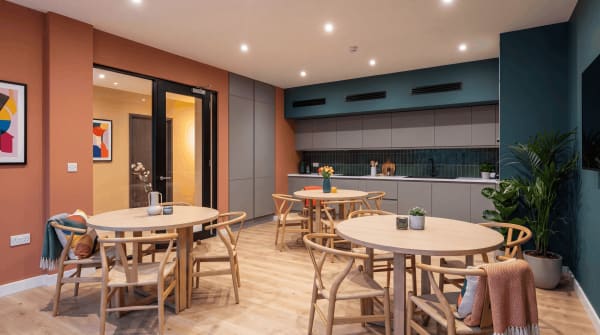
Planning submitted for a 25-room co-living scheme in Derby: deep, dark and full of rules
Deep footprints, dark middles and three sets of rules that don't always agree. What it takes to design co-living studios, and our 25-room scheme in Derby.
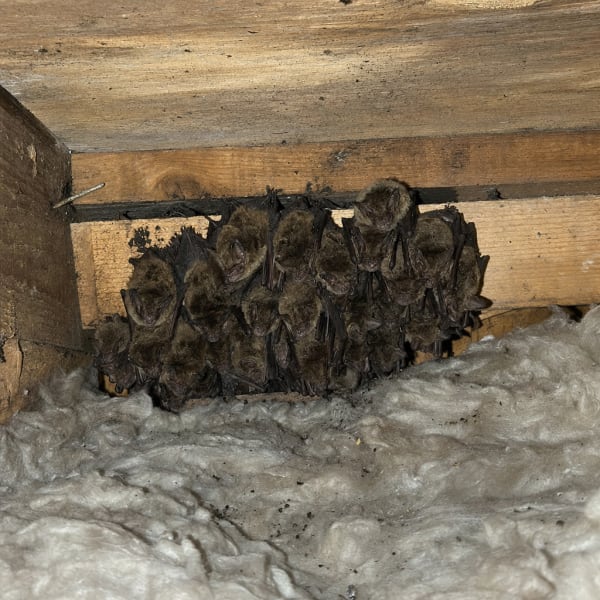
Bat Surveys and Building Projects: Seasons, Licences and Costs
Bats can hold up homes, commercial sites and listed buildings for most of a year. Survey triggers, council rules, permitted development, licences and costs.
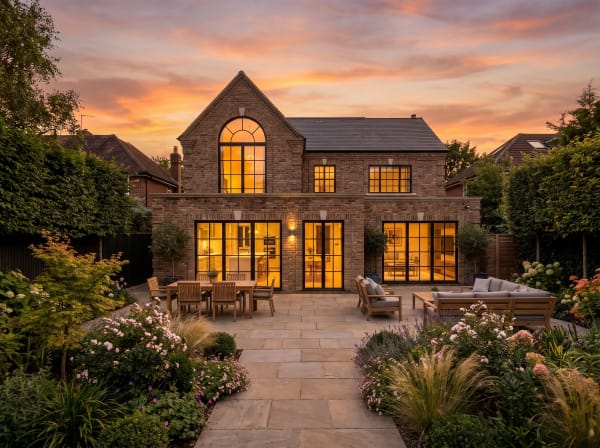
A new appointment in Allestree: refurbish or replace?
A new Allestree appointment prompts a practical guide to refurbishing or replacing a house, with a worked cost example, surveys, fees and planning questions.

JSA Appointed for Listed Building Extension in Amber Valley
JSA is appointed to design a sensitive extension to a Grade II listed stone building in Amber Valley, Derbyshire, going to pre-application with CGI support.

Good Architectural Drawings Matter More Than You Think
Poor architectural drawings create assumptions, delays and cost. See why clear, accurate information matters to homeowners and commercial clients.

HMO or Flats? Why Modern Co-Living Falls Between the Rules
When does an HMO become flats? See how planning, licensing, building regulations and fire safety diverge, and how co-living developers can reduce risk early.

The New NPPF Is Here: What the 2026 Rewrite Means for Your Project
The new NPPF landed on 17 August 2026 and applies to decisions now. What changed for extensions, garden plots, small sites and Midlands projects.

We're Revisiting Our Leisure Portfolio
Twenty years of Midlands pub, bar and restaurant projects, plus a decade behind the bar. What a busy summer tells you about the building you trade from.

We Built an App That Keeps You in the Room
Datum is JSA's own project app. Every client gets a login: latest drawings, the brief, where planning's got to and what we did this week. Free on every project.

Biodiversity Net Gain: A Quick Guide for Anyone Who Isn't an Ecologist
What Biodiversity Net Gain requires for new developments in England: the 10% target, who's exempt, and how to plan for it from day one.
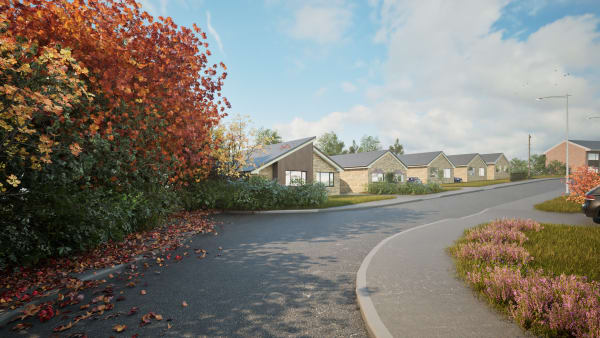
A 1960s Bungalow Gets a Contemporary Rethink in Lichfield
A modest 1960s bungalow in Lichfield is being extended and reconfigured for downsizing clients. Planning is submitted to Lichfield District Council.

Little Eaton Dormer Bungalows Approved, No Amendments Needed
Two backland dormer bungalows in Little Eaton have been approved by Erewash Borough Council with no amendments needed. Here's why that's rarer than it sounds.

JSA Appointed to Design 'The Forest': 73 Apartments for T&T Asset Group in Derby City Centre
T&T Asset Group has appointed JSA to design The Forest, a 73-apartment conversion in Derby city centre, covering architecture, interior design and planning.

The Grange, Finished: A Georgian Villa Restored, Warmed and Handed Back
See the finished restoration of The Grange, a Georgian villa in South Derbyshire. JSA acted as both architect and project manager throughout.
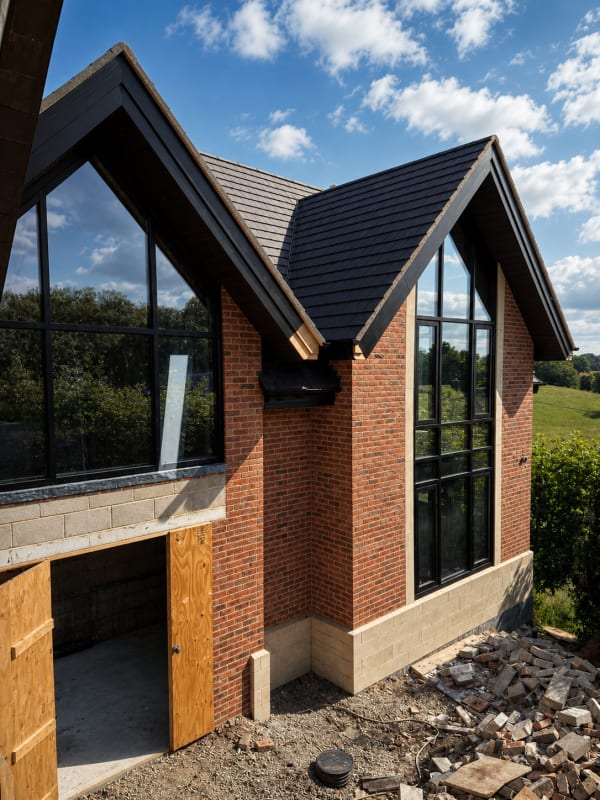
Burley Lane Site Progress Update: Quarndon Home Now Taking Shape
Site progress at Burley Lane in Quarndon: stair structure, basement golf simulator, MVHR routes, full-height glazing and November 2026 completion.
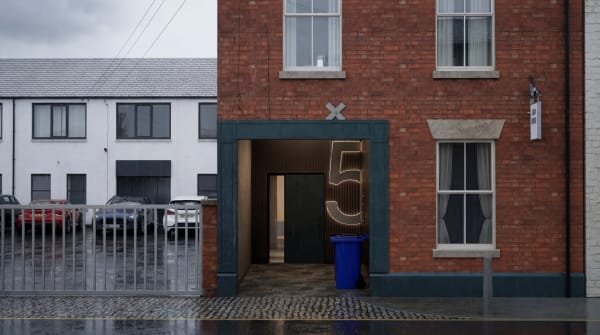
Planning Approved for Bramble Street Office-to-Flats Conversion in Derby
A vacant period office on Bramble Street, Derby, has approval for three flats. Now the unglamorous part: stairs, acoustics, flood notes and drawings.

Justin Smith Architects Is Now JSA Architects
Justin Smith Architects is now JSA Architects. Here’s the story, in Justin’s own words, and what the rebrand means for our clients and the practice.

Welcome to JSA, Joao Bravo
Joao Bravo joins JSA as our 3D artist and visualiser. A University of Derby graduate and qualified architectural technologist, originally from Lisbon.

Light at the End of the Terrace: Contemporary Rear Extension to a Victorian Townhouse in Sutton Coldfield
A contemporary rear extension brings light and space to a Victorian townhouse in Sutton Coldfield, and leaves the period terrace out front exactly as it was.

JSA Architects and British Living Group: Working Together on Derby Co-Living Development
JSA is working with British Living Group, one of the Midlands' most commercially minded developers, on a 27-room co-living conversion in Derby.

Lichfield’s Local Plan Might Be Delayed to 2029. If You’re Thinking About a Project, Here’s What That Means for You
Lichfield District Council may delay its 2043 Local Plan. If that sounds like a reason to pause your project, read this first. It probably isn't.
5,500 Homes Are Coming to Walmley. If You’re Already Living There, This Is Your Cue to Stop Putting Off Your Own Project
Birmingham City Council has approved the groundwork for 5,500 new homes near Walmley. If your own project's been on the back burner, this is your sign.

Planning Approved for Brooklands Luxury Dwelling
Golden Brook Developments had a permission for Brooklands and didn't rate the design. We redesigned it, and South Derbyshire has now approved the new scheme.

Planning Submitted: Brooklands' Redesign Heads to South Derbyshire District Council
The design's done and the application's in. Here's what JSA has proposed for Brooklands, a new home in Weston-on-Trent, South Derbyshire.

JSA Architects Appointed to Redesign Brooklands, a Luxury New Build in Weston-on-Trent
A permission existed and a design was on the table. Golden Brook Developments decided it wasn't good enough. They were right, and they called us.

Two Stand-Out Self-Builds Submitted for Full Planning in Little Eaton
Two bespoke self-build homes in Little Eaton designed for standout architecture and smart investment returns.

Major Family Home Remodel Proposed in Repton, South Derbyshire
Modern extension and full internal remodel proposed for character home in sought-after Repton, South Derbyshire.
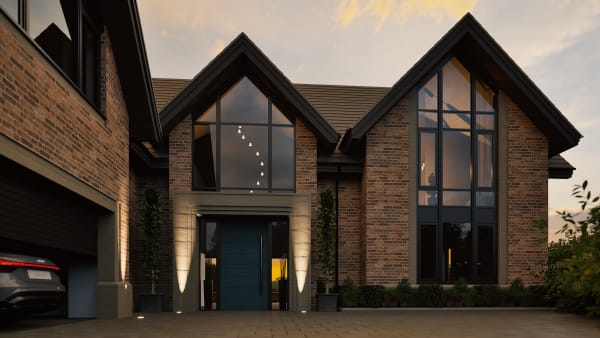
Planning Appeal Secured for Bold New Home in Quarndon’s Green Belt
A new home in the Quarndon Green Belt, won at appeal. How strategic planning and a strong design got a Green Belt house over the line in Derbyshire.

Windy Rise, Little Eaton: JSA Architects Appointed and Planning Application Submitted
The Windy Rise plot in Little Eaton lost its bungalow to arsonists in 2017, then spent a decade rewilding. Our design for the hillside is now with the council.

Windy Rise Gets the Green Light: Erewash Borough Council Approves the Hillside Home That Made Councillors Say 'Thunderbirds Are Go'
Planning approved at Windy Rise, Little Eaton. Erewash Borough Council approved this Green Belt replacement dwelling 11-1. See how JSA Architects made the case.
Planning submitted for a 25-room co-living scheme in Derby: deep, dark and full of rules
Deep footprints, dark middles and three sets of rules that don't always agree. What it takes to design co-living studios, and our 25-room scheme in Derby.
Bat Surveys and Building Projects: Seasons, Licences and Costs
Bats can hold up homes, commercial sites and listed buildings for most of a year. Survey triggers, council rules, permitted development, licences and costs.
A new appointment in Allestree: refurbish or replace?
A new Allestree appointment prompts a practical guide to refurbishing or replacing a house, with a worked cost example, surveys, fees and planning questions.
JSA Appointed for Listed Building Extension in Amber Valley
JSA is appointed to design a sensitive extension to a Grade II listed stone building in Amber Valley, Derbyshire, going to pre-application with CGI support.
Good Architectural Drawings Matter More Than You Think
Poor architectural drawings create assumptions, delays and cost. See why clear, accurate information matters to homeowners and commercial clients.
HMO or Flats? Why Modern Co-Living Falls Between the Rules
When does an HMO become flats? See how planning, licensing, building regulations and fire safety diverge, and how co-living developers can reduce risk early.
The New NPPF Is Here: What the 2026 Rewrite Means for Your Project
The new NPPF landed on 17 August 2026 and applies to decisions now. What changed for extensions, garden plots, small sites and Midlands projects.
We're Revisiting Our Leisure Portfolio
Twenty years of Midlands pub, bar and restaurant projects, plus a decade behind the bar. What a busy summer tells you about the building you trade from.
We Built an App That Keeps You in the Room
Datum is JSA's own project app. Every client gets a login: latest drawings, the brief, where planning's got to and what we did this week. Free on every project.
Biodiversity Net Gain: A Quick Guide for Anyone Who Isn't an Ecologist
What Biodiversity Net Gain requires for new developments in England: the 10% target, who's exempt, and how to plan for it from day one.
A 1960s Bungalow Gets a Contemporary Rethink in Lichfield
A modest 1960s bungalow in Lichfield is being extended and reconfigured for downsizing clients. Planning is submitted to Lichfield District Council.
Little Eaton Dormer Bungalows Approved, No Amendments Needed
Two backland dormer bungalows in Little Eaton have been approved by Erewash Borough Council with no amendments needed. Here's why that's rarer than it sounds.
JSA Appointed to Design 'The Forest': 73 Apartments for T&T Asset Group in Derby City Centre
T&T Asset Group has appointed JSA to design The Forest, a 73-apartment conversion in Derby city centre, covering architecture, interior design and planning.
The Grange, Finished: A Georgian Villa Restored, Warmed and Handed Back
See the finished restoration of The Grange, a Georgian villa in South Derbyshire. JSA acted as both architect and project manager throughout.
Burley Lane Site Progress Update: Quarndon Home Now Taking Shape
Site progress at Burley Lane in Quarndon: stair structure, basement golf simulator, MVHR routes, full-height glazing and November 2026 completion.
Planning Approved for Bramble Street Office-to-Flats Conversion in Derby
A vacant period office on Bramble Street, Derby, has approval for three flats. Now the unglamorous part: stairs, acoustics, flood notes and drawings.
Justin Smith Architects Is Now JSA Architects
Justin Smith Architects is now JSA Architects. Here’s the story, in Justin’s own words, and what the rebrand means for our clients and the practice.
Welcome to JSA, Joao Bravo
Joao Bravo joins JSA as our 3D artist and visualiser. A University of Derby graduate and qualified architectural technologist, originally from Lisbon.
Light at the End of the Terrace: Contemporary Rear Extension to a Victorian Townhouse in Sutton Coldfield
A contemporary rear extension brings light and space to a Victorian townhouse in Sutton Coldfield, and leaves the period terrace out front exactly as it was.
JSA Architects and British Living Group: Working Together on Derby Co-Living Development
JSA is working with British Living Group, one of the Midlands' most commercially minded developers, on a 27-room co-living conversion in Derby.
Lichfield’s Local Plan Might Be Delayed to 2029. If You’re Thinking About a Project, Here’s What That Means for You
Lichfield District Council may delay its 2043 Local Plan. If that sounds like a reason to pause your project, read this first. It probably isn't.
5,500 Homes Are Coming to Walmley. If You’re Already Living There, This Is Your Cue to Stop Putting Off Your Own Project
Birmingham City Council has approved the groundwork for 5,500 new homes near Walmley. If your own project's been on the back burner, this is your sign.
Planning Approved for Brooklands Luxury Dwelling
Golden Brook Developments had a permission for Brooklands and didn't rate the design. We redesigned it, and South Derbyshire has now approved the new scheme.
Planning Submitted: Brooklands' Redesign Heads to South Derbyshire District Council
The design's done and the application's in. Here's what JSA has proposed for Brooklands, a new home in Weston-on-Trent, South Derbyshire.
JSA Architects Appointed to Redesign Brooklands, a Luxury New Build in Weston-on-Trent
A permission existed and a design was on the table. Golden Brook Developments decided it wasn't good enough. They were right, and they called us.
Two Stand-Out Self-Builds Submitted for Full Planning in Little Eaton
Two bespoke self-build homes in Little Eaton designed for standout architecture and smart investment returns.
Major Family Home Remodel Proposed in Repton, South Derbyshire
Modern extension and full internal remodel proposed for character home in sought-after Repton, South Derbyshire.
Planning Appeal Secured for Bold New Home in Quarndon’s Green Belt
A new home in the Quarndon Green Belt, won at appeal. How strategic planning and a strong design got a Green Belt house over the line in Derbyshire.
Windy Rise, Little Eaton: JSA Architects Appointed and Planning Application Submitted
The Windy Rise plot in Little Eaton lost its bungalow to arsonists in 2017, then spent a decade rewilding. Our design for the hillside is now with the council.
Windy Rise Gets the Green Light: Erewash Borough Council Approves the Hillside Home That Made Councillors Say 'Thunderbirds Are Go'
Planning approved at Windy Rise, Little Eaton. Erewash Borough Council approved this Green Belt replacement dwelling 11-1. See how JSA Architects made the case.
faq's
