Published24 April 2026Updated6 October 2026
Windy Rise Gets the Green Light: Erewash Borough Council Approves the Hillside Home That Made Councillors Say 'Thunderbirds Are Go'
When a planning committee member reaches for a Thunderbirds reference, the building is clearly doing something right. Erewash Borough Council approved the Windy Rise replacement dwelling 11 votes to one. Here's how JSA Architects made the case — and what the committee had to say about it.


There are planning committee meetings that pass without incident. The officer presents the report, the committee nods in broadly the expected direction, and that's that.
The August 2025 Erewash Borough Council planning committee was not one of those meetings.
When the proposed design for Windy Rise, Little Eaton came before the committee, one councillor described it as an 'architectural masterpiece.' Another said she hadn't seen anything like it outside of television. A third went with 'Thunderbirds are go.' The vote was 11 in favour, one against.
Planning approved.
JSA Architects submitted the application to Erewash Borough Council on behalf of the de Saegar family earlier in 2025. The site is a steeply elevated hillside plot within the Green Belt above Little Eaton - a former bungalow destroyed in an arson attack in 2017, rewilded ever since, and now the subject of an approved scheme that is, by any measure, a significant departure from what came before.
What the Committee Was Looking At
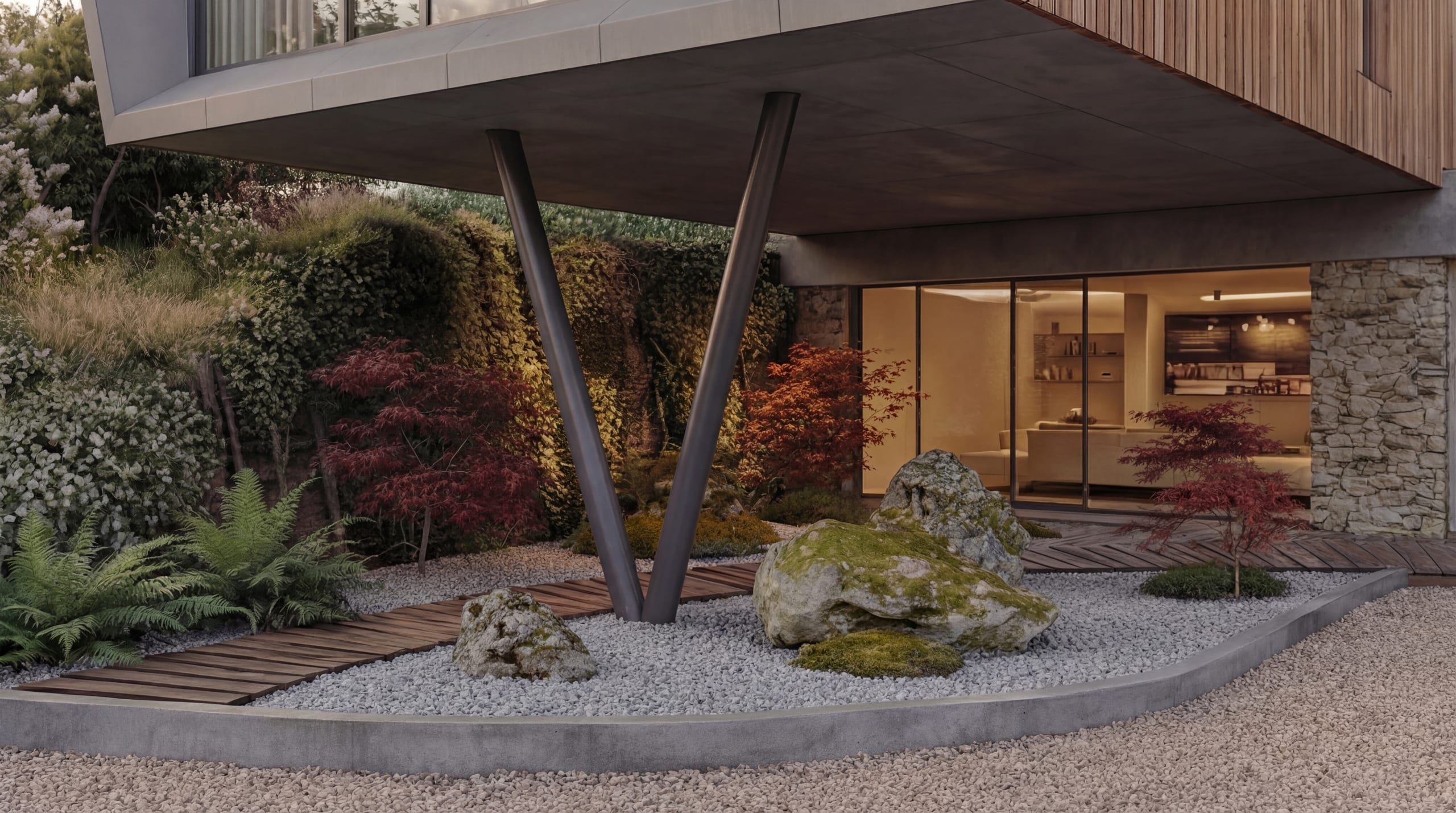
The Windy Rise scheme is a two-storey replacement dwelling designed to sit into a steeply elevated Green Belt hillside above Little Eaton, a few miles north of Derby. The design language is contemporary - a building that makes no attempt to disguise what it is, while taking considerable care about how it sits within its landscape.
The internal arrangement includes four bedrooms, two dressing rooms, an indoor courtyard, a home gym and changing room, and an indoor swimming pool. The building is designed to be dug into the hillside, keeping its profile low and its relationship to the surrounding countryside considered.
For context: the previous dwelling on this site was a bungalow that hadn't been occupied since 2014 and had been gone since 2017. The site subsequently housed little except brambles and whatever wildlife moved in during the intervening years. The committee was not, it is fair to say, weighing the new building against an obvious architectural precedent.
The Planning Case: How a Green Belt Application Gets Approved
Planning applications in the Green Belt start from a position of restriction. The default, across the country, is that new dwellings in the Green Belt are not acceptable. Getting one approved requires either fitting within one of the specific exceptions that planning policy sets out, or arguing one's way past those restrictions - and the latter rarely works.
The policy route for Windy Rise was the former. The site qualifies as previously developed land - brownfield land - in Green Belt terms, because the domestic curtilage of the former bungalow (the plot, garden, and grounds that belonged to the original dwelling) retains that classification even after the building itself has gone. That matters, because it opens the door to a specific policy argument that a completely new-build Green Belt site cannot make.
JSA's planning case argued the application was acceptable under Saved Policies GB1 and GB2 in Erewash Borough Council's Local Plan. GB1 establishes the general principle that development in the Green Belt is resisted. GB2 sets out the exceptions - among them, the redevelopment of brownfield land within the Green Belt where the proposal consolidates existing built development and is of a scale and character that respects its village setting.
The planning officer's report concluded that the former curtilage constituted brownfield land, that the proposal was consistent with GB2, and that it was acceptable under the National Planning Policy Framework (NPPF). The design's response to the hillside was central to that conclusion: by sitting the building into the slope, the scheme is - in the officer's own assessment - largely concealed from views across the surrounding countryside. The building doesn't avoid being in the Green Belt. It just avoids drawing unnecessary attention to itself while there.
Erewash Borough Council were satisfied on neighbour amenity, too. The separation distances from the neighbouring dwellings - Kenda, Magnolia, and Mount Pleasant - were assessed as sufficient to avoid significant impacts from overlooking, overshadowing, or overbearing, notwithstanding the building's scale.
Parish council and local residents had objected on grounds of access and drainage. Those objections were considered and addressed. The vote was 11-1 in favour.
What This Approval Means in Practice
Green Belt planning approval doesn't happen because the design is beautiful, though it helps when the planning committee thinks so. It happens when the policy case is clearly established, the design addresses the specific constraints of the site, and every foreseeable objection has a considered, evidence-based response.
Windy Rise checks those boxes. The brownfield argument gave the application a policy route. The design's integration into the hillside addressed the visual impact argument directly. The separation distances handled neighbour amenity. The drainage and access concerns - the basis of the parish council's objection - were responded to in the submission. None of that happened by accident.
What the planning committee's response also demonstrates - in its occasionally enthusiastic way - is that Green Belt approval doesn't have to mean mediocre design. The restrictions around scale and character don't preclude ambition. They just require that the ambition is expressed with sufficient care about how the building relates to its setting.
Windy Rise was approved precisely because the design earns its place on that hillside. The planning officer's report said as much. Eleven councillors agreed. One didn't. Thunderbirds are go.
What Happens Next
Planning approval is the end of one process and the start of another. The approved scheme at Windy Rise now moves into technical design - the detailed drawings, structural calculations, building regulations, and coordination work that turns an approved planning application into a buildable specification.
Working on a site in Erewash, Amber Valley, or elsewhere in Derbyshire? We handle commissions from across the county and know the planning landscape well - in both senses.
"JSA have been most helpful from the initial meeting through to the production of a quality plan for our project , superb communication of progress with our plans and clear costing and timescales. We are very pleased with the service in what has been a complex project and would thoroughly recommend their services."
Martin de Saegar - Land Owner
faq's
Common Questions
Yes. The committee approved the Windy Rise replacement dwelling by 11 votes to one.
Positive enough that a committee member reached for a Thunderbirds reference during the meeting, a strong signal for a Green Belt scheme that started from a position of restriction.
Green Belt applications begin from a default of restriction. Approval comes from building a case that addresses that restriction directly: demonstrating very special circumstances or showing the development falls within a recognised exception, not from the design alone.
Approval is the end of one process and the start of another. The approved scheme still needs to satisfy any conditions attached to the permission before work can begin on site.
Articles
News & Insights
Project updates, practice news, and the occasional hot take. You might just find the spark you’re looking for.
Planning submitted for a 25-room co-living scheme in Derby: deep, dark and full of rules
Deep footprints, dark middles and three sets of rules that don't always agree. What it takes to design co-living studios, and our 25-room scheme in Derby.
Bat Surveys and Building Projects: Seasons, Licences and Costs
Bats can hold up homes, commercial sites and listed buildings for most of a year. Survey triggers, council rules, permitted development, licences and costs.
A new appointment in Allestree: refurbish or replace?
A new Allestree appointment prompts a practical guide to refurbishing or replacing a house, with a worked cost example, surveys, fees and planning questions.

JSA Appointed for Listed Building Extension in Amber Valley
JSA is appointed to design a sensitive extension to a Grade II listed stone building in Amber Valley, Derbyshire, going to pre-application with CGI support.

Good Architectural Drawings Matter More Than You Think
Poor architectural drawings create assumptions, delays and cost. See why clear, accurate information matters to homeowners and commercial clients.

HMO or Flats? Why Modern Co-Living Falls Between the Rules
When does an HMO become flats? See how planning, licensing, building regulations and fire safety diverge, and how co-living developers can reduce risk early.

The New NPPF Is Here: What the 2026 Rewrite Means for Your Project
The new NPPF landed on 17 August 2026 and applies to decisions now. What changed for extensions, garden plots, small sites and Midlands projects.

We're Revisiting Our Leisure Portfolio
Twenty years of Midlands pub, bar and restaurant projects, plus a decade behind the bar. What a busy summer tells you about the building you trade from.

We Built an App That Keeps You in the Room
Datum is JSA's own project app. Every client gets a login: latest drawings, the brief, where planning's got to and what we did this week. Free on every project.

Biodiversity Net Gain: A Quick Guide for Anyone Who Isn't an Ecologist
What Biodiversity Net Gain requires for new developments in England: the 10% target, who's exempt, and how to plan for it from day one.
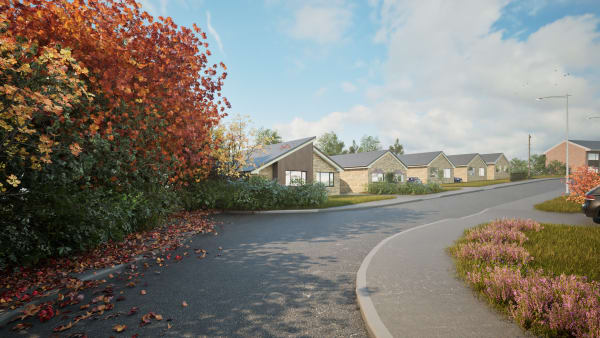
A 1960s Bungalow Gets a Contemporary Rethink in Lichfield
A modest 1960s bungalow in Lichfield is being extended and reconfigured for downsizing clients. Planning is submitted to Lichfield District Council.

Little Eaton Dormer Bungalows Approved, No Amendments Needed
Two backland dormer bungalows in Little Eaton have been approved by Erewash Borough Council with no amendments needed. Here's why that's rarer than it sounds.

JSA Appointed to Design 'The Forest': 73 Apartments for T&T Asset Group in Derby City Centre
T&T Asset Group has appointed JSA to design The Forest, a 73-apartment conversion in Derby city centre, covering architecture, interior design and planning.

The Grange, Finished: A Georgian Villa Restored, Warmed and Handed Back
See the finished restoration of The Grange, a Georgian villa in South Derbyshire. JSA acted as both architect and project manager throughout.
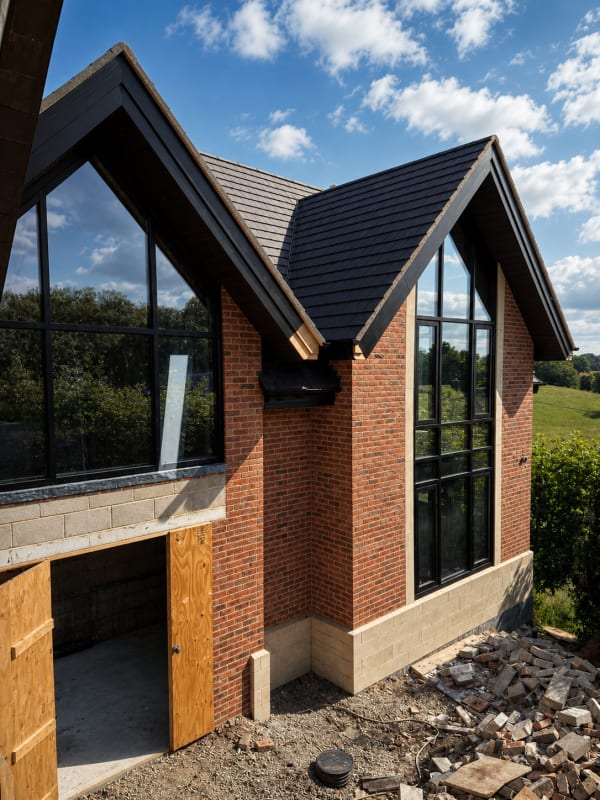
Burley Lane Site Progress Update: Quarndon Home Now Taking Shape
Site progress at Burley Lane in Quarndon: stair structure, basement golf simulator, MVHR routes, full-height glazing and November 2026 completion.
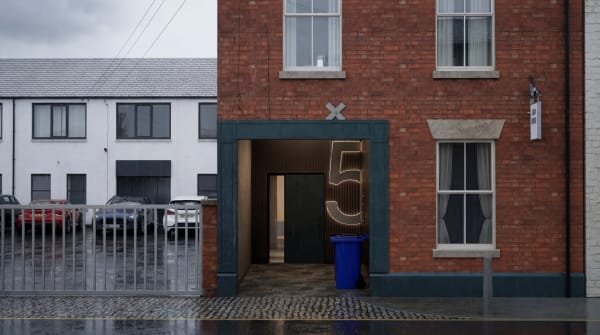
Planning Approved for Bramble Street Office-to-Flats Conversion in Derby
A vacant period office on Bramble Street, Derby, has approval for three flats. Now the unglamorous part: stairs, acoustics, flood notes and drawings.

Justin Smith Architects Is Now JSA Architects
Justin Smith Architects is now JSA Architects. Here’s the story, in Justin’s own words, and what the rebrand means for our clients and the practice.

Welcome to JSA, Joao Bravo
Joao Bravo joins JSA as our 3D artist and visualiser. A University of Derby graduate and qualified architectural technologist, originally from Lisbon.

Light at the End of the Terrace: Contemporary Rear Extension to a Victorian Townhouse in Sutton Coldfield
A contemporary rear extension brings light and space to a Victorian townhouse in Sutton Coldfield, and leaves the period terrace out front exactly as it was.

JSA Architects and British Living Group: Working Together on Derby Co-Living Development
JSA is working with British Living Group, one of the Midlands' most commercially minded developers, on a 27-room co-living conversion in Derby.

Lichfield’s Local Plan Might Be Delayed to 2029. If You’re Thinking About a Project, Here’s What That Means for You
Lichfield District Council may delay its 2043 Local Plan. If that sounds like a reason to pause your project, read this first. It probably isn't.
5,500 Homes Are Coming to Walmley. If You’re Already Living There, This Is Your Cue to Stop Putting Off Your Own Project
Birmingham City Council has approved the groundwork for 5,500 new homes near Walmley. If your own project's been on the back burner, this is your sign.

Planning Approved for Brooklands Luxury Dwelling
Golden Brook Developments had a permission for Brooklands and didn't rate the design. We redesigned it, and South Derbyshire has now approved the new scheme.

Planning Submitted: Brooklands' Redesign Heads to South Derbyshire District Council
The design's done and the application's in. Here's what JSA has proposed for Brooklands, a new home in Weston-on-Trent, South Derbyshire.

JSA Architects Appointed to Redesign Brooklands, a Luxury New Build in Weston-on-Trent
A permission existed and a design was on the table. Golden Brook Developments decided it wasn't good enough. They were right, and they called us.
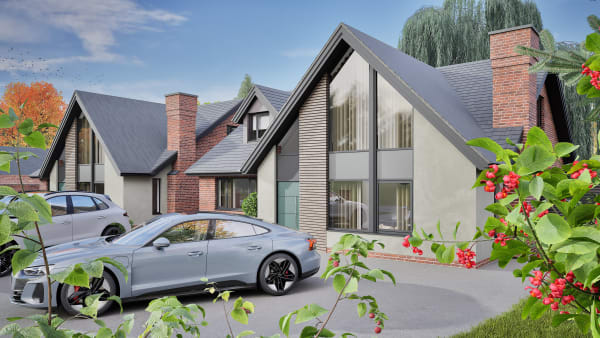
Two Stand-Out Self-Builds Submitted for Full Planning in Little Eaton
Two bespoke self-build homes in Little Eaton designed for standout architecture and smart investment returns.

Major Family Home Remodel Proposed in Repton, South Derbyshire
Modern extension and full internal remodel proposed for character home in sought-after Repton, South Derbyshire.
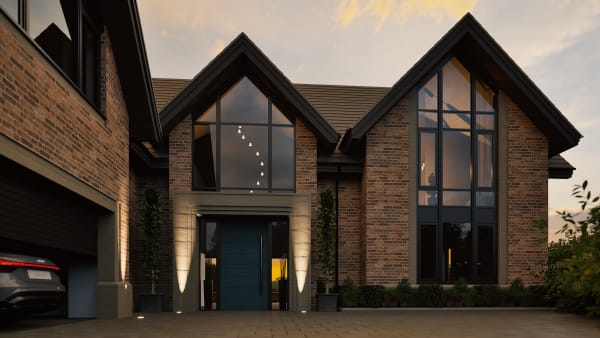
Planning Appeal Secured for Bold New Home in Quarndon’s Green Belt
A new home in the Quarndon Green Belt, won at appeal. How strategic planning and a strong design got a Green Belt house over the line in Derbyshire.

Windy Rise, Little Eaton: JSA Architects Appointed and Planning Application Submitted
The Windy Rise plot in Little Eaton lost its bungalow to arsonists in 2017, then spent a decade rewilding. Our design for the hillside is now with the council.

Windy Rise Gets the Green Light: Erewash Borough Council Approves the Hillside Home That Made Councillors Say 'Thunderbirds Are Go'
Planning approved at Windy Rise, Little Eaton. Erewash Borough Council approved this Green Belt replacement dwelling 11-1. See how JSA Architects made the case.
Planning submitted for a 25-room co-living scheme in Derby: deep, dark and full of rules
Deep footprints, dark middles and three sets of rules that don't always agree. What it takes to design co-living studios, and our 25-room scheme in Derby.
Bat Surveys and Building Projects: Seasons, Licences and Costs
Bats can hold up homes, commercial sites and listed buildings for most of a year. Survey triggers, council rules, permitted development, licences and costs.
A new appointment in Allestree: refurbish or replace?
A new Allestree appointment prompts a practical guide to refurbishing or replacing a house, with a worked cost example, surveys, fees and planning questions.
JSA Appointed for Listed Building Extension in Amber Valley
JSA is appointed to design a sensitive extension to a Grade II listed stone building in Amber Valley, Derbyshire, going to pre-application with CGI support.
Good Architectural Drawings Matter More Than You Think
Poor architectural drawings create assumptions, delays and cost. See why clear, accurate information matters to homeowners and commercial clients.
HMO or Flats? Why Modern Co-Living Falls Between the Rules
When does an HMO become flats? See how planning, licensing, building regulations and fire safety diverge, and how co-living developers can reduce risk early.
The New NPPF Is Here: What the 2026 Rewrite Means for Your Project
The new NPPF landed on 17 August 2026 and applies to decisions now. What changed for extensions, garden plots, small sites and Midlands projects.
We're Revisiting Our Leisure Portfolio
Twenty years of Midlands pub, bar and restaurant projects, plus a decade behind the bar. What a busy summer tells you about the building you trade from.
We Built an App That Keeps You in the Room
Datum is JSA's own project app. Every client gets a login: latest drawings, the brief, where planning's got to and what we did this week. Free on every project.
Biodiversity Net Gain: A Quick Guide for Anyone Who Isn't an Ecologist
What Biodiversity Net Gain requires for new developments in England: the 10% target, who's exempt, and how to plan for it from day one.
A 1960s Bungalow Gets a Contemporary Rethink in Lichfield
A modest 1960s bungalow in Lichfield is being extended and reconfigured for downsizing clients. Planning is submitted to Lichfield District Council.
Little Eaton Dormer Bungalows Approved, No Amendments Needed
Two backland dormer bungalows in Little Eaton have been approved by Erewash Borough Council with no amendments needed. Here's why that's rarer than it sounds.
JSA Appointed to Design 'The Forest': 73 Apartments for T&T Asset Group in Derby City Centre
T&T Asset Group has appointed JSA to design The Forest, a 73-apartment conversion in Derby city centre, covering architecture, interior design and planning.
The Grange, Finished: A Georgian Villa Restored, Warmed and Handed Back
See the finished restoration of The Grange, a Georgian villa in South Derbyshire. JSA acted as both architect and project manager throughout.
Burley Lane Site Progress Update: Quarndon Home Now Taking Shape
Site progress at Burley Lane in Quarndon: stair structure, basement golf simulator, MVHR routes, full-height glazing and November 2026 completion.
Planning Approved for Bramble Street Office-to-Flats Conversion in Derby
A vacant period office on Bramble Street, Derby, has approval for three flats. Now the unglamorous part: stairs, acoustics, flood notes and drawings.
Justin Smith Architects Is Now JSA Architects
Justin Smith Architects is now JSA Architects. Here’s the story, in Justin’s own words, and what the rebrand means for our clients and the practice.
Welcome to JSA, Joao Bravo
Joao Bravo joins JSA as our 3D artist and visualiser. A University of Derby graduate and qualified architectural technologist, originally from Lisbon.
Light at the End of the Terrace: Contemporary Rear Extension to a Victorian Townhouse in Sutton Coldfield
A contemporary rear extension brings light and space to a Victorian townhouse in Sutton Coldfield, and leaves the period terrace out front exactly as it was.
JSA Architects and British Living Group: Working Together on Derby Co-Living Development
JSA is working with British Living Group, one of the Midlands' most commercially minded developers, on a 27-room co-living conversion in Derby.
Lichfield’s Local Plan Might Be Delayed to 2029. If You’re Thinking About a Project, Here’s What That Means for You
Lichfield District Council may delay its 2043 Local Plan. If that sounds like a reason to pause your project, read this first. It probably isn't.
5,500 Homes Are Coming to Walmley. If You’re Already Living There, This Is Your Cue to Stop Putting Off Your Own Project
Birmingham City Council has approved the groundwork for 5,500 new homes near Walmley. If your own project's been on the back burner, this is your sign.
Planning Approved for Brooklands Luxury Dwelling
Golden Brook Developments had a permission for Brooklands and didn't rate the design. We redesigned it, and South Derbyshire has now approved the new scheme.
Planning Submitted: Brooklands' Redesign Heads to South Derbyshire District Council
The design's done and the application's in. Here's what JSA has proposed for Brooklands, a new home in Weston-on-Trent, South Derbyshire.
JSA Architects Appointed to Redesign Brooklands, a Luxury New Build in Weston-on-Trent
A permission existed and a design was on the table. Golden Brook Developments decided it wasn't good enough. They were right, and they called us.
Two Stand-Out Self-Builds Submitted for Full Planning in Little Eaton
Two bespoke self-build homes in Little Eaton designed for standout architecture and smart investment returns.
Major Family Home Remodel Proposed in Repton, South Derbyshire
Modern extension and full internal remodel proposed for character home in sought-after Repton, South Derbyshire.
Planning Appeal Secured for Bold New Home in Quarndon’s Green Belt
A new home in the Quarndon Green Belt, won at appeal. How strategic planning and a strong design got a Green Belt house over the line in Derbyshire.
Windy Rise, Little Eaton: JSA Architects Appointed and Planning Application Submitted
The Windy Rise plot in Little Eaton lost its bungalow to arsonists in 2017, then spent a decade rewilding. Our design for the hillside is now with the council.
Windy Rise Gets the Green Light: Erewash Borough Council Approves the Hillside Home That Made Councillors Say 'Thunderbirds Are Go'
Planning approved at Windy Rise, Little Eaton. Erewash Borough Council approved this Green Belt replacement dwelling 11-1. See how JSA Architects made the case.
