Published12 June 2026Updated5 October 2026
5,500 Homes Are Coming to Walmley. If You’re Already Living There, This Is Your Cue to Stop Putting Off Your Own Project
Birmingham City Council just approved the groundwork for 5,500 new homes near Walmley. If you’ve had a project on the back burner, whether that’s your own home or a property you own, this is your sign to dust it off.
Birmingham City Council just approved the groundwork for 5,500 new homes near Walmley. If you've had a project on the back burner, whether that's your own home or a property you own, this is your sign to dust it off.
If you’ve been meaning to extend, convert the loft, or finally sort out that kitchen for years, here’s a reason to stop meaning to and start doing. Birmingham City Council has approved the infrastructure works for the Langley development near Walmley in Sutton Coldfield, a scheme that will eventually deliver around 5,500 new homes, new schools, and new green space. Demolition, earthworks, new roads, and a cycle and pedestrian network connecting across the A38 are all part of what’s been signed off.
That’s not a small thing happening down the road. It’s a multi-year change to the area you live in, and it’s exactly the moment that makes “improve what I’ve got” a much better idea than “wait and see.”
Here’s why, and what it means whether you’re a homeowner who’s outgrown their house or a developer or landlord weighing up where to put your next project.
Why “Wait and See” Is the Wrong Instinct
There’s a particular kind of homeowner logic that goes: “the area’s about to change, so maybe I should hold off until things settle down.” It’s an understandable instinct. Nobody wants to spend money on a project only to find the street looks completely different two years later and their plans no longer make sense.
But flip that logic round. The Langley development isn’t going to change what your kitchen looks like, how cramped your loft has felt since the kids stopped sharing a room, or how long you’ve been working around a layout that never quite suited how your family lives now. Those things are true today, and they’ll still be true while the new estate down the road slowly takes shape over the next decade. Waiting doesn’t pause your problem. It delays the point at which you deal with it, while build costs, contractor availability, and demand for local architects keep moving regardless.
If anything, the next year or two is the easier window. Once a development like this becomes visible on the ground rather than only a planning decision, a lot of your neighbours will have the same thought you’re having now, at the same time. Getting your own plans sorted while that’s still a “some people” thing rather than an “everyone on the street” thing means less competition for the people you’ll need: architects, planning officers, and good local contractors.
The Case for Improving Rather Than Moving
Property values in areas undergoing significant regeneration tend to respond well to the infrastructure that comes with it. New schools, better cycle and pedestrian routes, more green space, even if the building work itself is disruptive in the short term. If you’ve been wondering whether it’s worth investing in your current home rather than going through the upheaval and expense of moving, infrastructure investment on this scale is usually a point in favour of staying.
Think about what that means practically. Moving house in the current market means estate agent fees, stamp duty, the cost and stress of finding somewhere that works better than what you’ve got, and no guarantee the new place won’t need its own list of changes anyway. Extending or reconfiguring the home you’re already in, in an area that’s about to get more schools, more green space, and better connections, often makes more financial and practical sense than starting again somewhere else.
This is especially true if your current home has good bones but a layout that’s stopped working: a kitchen that’s too small for how you cook and eat day to day, bedrooms in the wrong places for a family that’s grown or changed, or not enough space for how you live now compared to when you bought the place. A well-designed extension or reconfiguration can solve all of that without the upheaval of moving, and without missing out on an area that’s clearly heading in the right direction.
If You’re a Developer or Landlord, This Is Worth Watching Too
Large-scale strategic development doesn’t only affect homeowners deciding whether to extend. If you’re a landlord with property in or around Sutton Coldfield, or a developer looking at where the next opportunity in the Midlands might be, an approval of this size is a signal worth paying attention to.
Birmingham City Council greenlighting infrastructure for 5,500 homes, schools, and green space tells you where the council’s priorities and investment are heading for the next decade. Areas adjacent to major strategic sites often see secondary demand: for HMOs and rental properties serving the construction workforce in the short term, and for family housing, conversions, and small-scale development as the area matures and amenities improve.
If you’ve got property in Walmley, Minworth, or the wider B76 area that’s underperforming, whether that’s a tired rental that needs reconfiguring, a site with development potential, or a building that could be converted to better serve demand in a changing area, this is a reasonable moment to get a proper assessment of what it could become. The numbers on a project like that often look different once an area’s trajectory changes, and getting ahead of that trajectory rather than reacting to it later is usually where the better returns sit.
If you’re weighing up a few properties or sites across the wider Sutton Coldfield area and trying to work out which one is worth committing budget to first, an approval of this scale gives you a genuinely useful filter. Proximity to the new infrastructure, the schools, the green space, the improved transport links, isn’t just a nice-to-have for a future tenant or buyer. It’s something that shapes demand for years, and it’s far easier to factor into a decision now than to retrofit into your thinking once the development is already half-built and everyone else has noticed too.
What This Means for Planning Applications Near the Site
For homeowners and developers near the Langley site, or anywhere in Walmley and the wider B76 area, applications submitted to Birmingham City Council over the coming years will sit alongside a live, large-scale strategic development. That doesn’t make your project harder to get approved. It means the context has shifted, and a good application accounts for that context rather than ignoring it.
In practice, this might mean being precise about how a proposal relates to existing sightlines and green space that’s about to become more valuable to the area as a whole, or being clear about how a project addresses cumulative traffic and access considerations if it sits near one of the new connecting routes. A well-prepared application that demonstrates an understanding of the local context, rather than one that reads as though it could have been submitted for any house on any street in the country, tends to move through the system more smoothly, especially when a planning authority is already juggling the demands of a major strategic site nearby.
The Moment to Act Is Now, Not Once Everyone Else Has Had the Same Idea
Walmley isn’t an isolated case. Sutton Coldfield as a whole has seen a wave of strategic attention recently, from the Town Council’s new four-year plan focused on revitalising the town centre, to ongoing discussions about Sutton Park’s future and active travel routes across the wider area. Langley is the largest single piece of that picture, but it’s part of a broader sense that this part of Birmingham is being taken seriously for the first time in a while.
You don’t need a 5,500-home development on your doorstep to justify improving your own home or reassessing a property’s potential. But if you’ve got one anyway, there’s a clear argument that the next year or two are the time to act, before everyone else on the street has the same idea, before contractors and architects in Sutton Coldfield are booked solid, and before the easy wins on underperforming property get spotted by someone else first.
If you’re in Walmley, Minworth, Wylde Green, or anywhere else in Sutton Coldfield and you’ve got a project on your mind, whether that’s extending your family home or working out what a piece of property could become, now is a sensible time to find out what’s possible, before the area gets any busier than it already is.
Areas We Cover
JSA Architects Across the Midlands
We work with homeowners, developers, and landlords across the Midlands. Fees, planning authorities, and project types vary by location — find local insight and project examples for your area:
Architects in Derby → — Quarndon, Kirk Langley, Duffield, Allestree, Darley Abbey, Mickleover, Littleover
Architects in Nottingham → — The Park Estate, West Bridgford, Edwalton, Mapperley Park, Wollaton, Bramcote
Architects in Lichfield → — Shenstone, Little Aston, Four Oaks, Streetly, Aldridge, Walsall, Tamworth, Whittington
Architects in Solihull → — Knowle, Dorridge, Hampton in Arden, Shirley, Dickens Heath, Olton
Architects in Sutton Coldfield → — Four Oaks, Wylde Green, Boldmere, Mere Green, Streetly, Little Aston
faq's
Common Questions
Not directly, but applications submitted in the surrounding area will be considered within the wider context of significant change happening locally. Well-prepared applications that account for the local context, including green space, access routes, and cumulative impact, tend to move through the system smoothly regardless of nearby strategic development.
If your home needs more space or a better layout, that need exists regardless of nearby development. With significant infrastructure investment happening in the wider Sutton Coldfield area, getting your own project sorted now, before demand for local architects and contractors increases, can mean a smoother process and a better outcome.
It depends on your circumstances, but in areas seeing significant infrastructure investment, like Sutton Coldfield with the Langley development, extending or reconfiguring your current home is often more cost-effective than moving, particularly if the underlying issue is layout rather than location.
Large-scale strategic developments tend to signal where council investment and demand will be concentrated for years to come. For landlords and developers, properties or sites near new infrastructure, schools, and green space are often worth assessing early, before the area’s potential becomes more widely recognised and competition for opportunities increases.
Articles
News & Insights
Project updates, practice news, and useful guidance from JSA Architects.
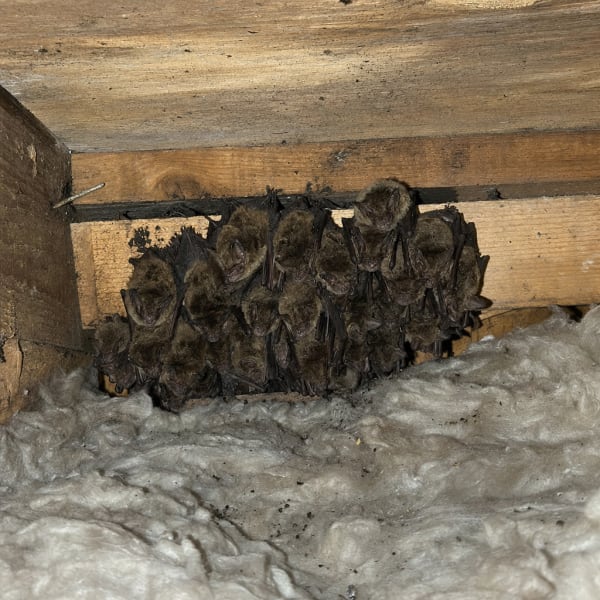
Bat Surveys and Building Projects: Seasons, Licences and Costs
Bats can hold up homes, commercial sites and listed buildings for most of a year. Survey triggers, council rules, permitted development, licences and costs.
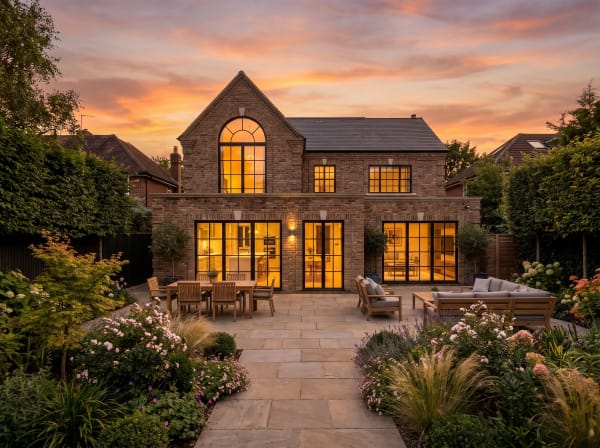
A new appointment in Allestree: refurbish or replace?
A new Allestree appointment prompts a practical guide to refurbishing or replacing a house, with a worked cost example, surveys, fees and planning questions.

JSA Appointed for Listed Building Extension in Amber Valley
JSA is appointed to design a sensitive extension to a Grade II listed stone building in Amber Valley, Derbyshire, going to pre-application with CGI support.

Good Architectural Drawings Matter More Than You Think
Poor architectural drawings create assumptions, delays and cost. See why clear, accurate information matters to homeowners and commercial clients.

HMO or Flats? Why Modern Co-Living Falls Between the Rules
When does an HMO become flats? See how planning, licensing, building regulations and fire safety diverge, and how co-living developers can reduce risk early.

The New NPPF Is Here: What the 2026 Rewrite Means for Your Project
The new NPPF landed on 17 August 2026 and applies to decisions now. What changed for extensions, garden plots, small sites and Midlands projects.

We're Revisiting Our Leisure Portfolio
Twenty years of Midlands pub, bar and restaurant projects, plus a decade behind the bar. What a busy summer tells you about the building you trade from.

We Built an App That Keeps You in the Room
Datum is JSA's own project app. Every client gets a login: latest drawings, the brief, where planning's got to and what we did this week. Free on every project.

Biodiversity Net Gain: A Quick Guide for Anyone Who Isn't an Ecologist
What Biodiversity Net Gain requires for new developments in England: the 10% target, who's exempt, and how to plan for it from day one.
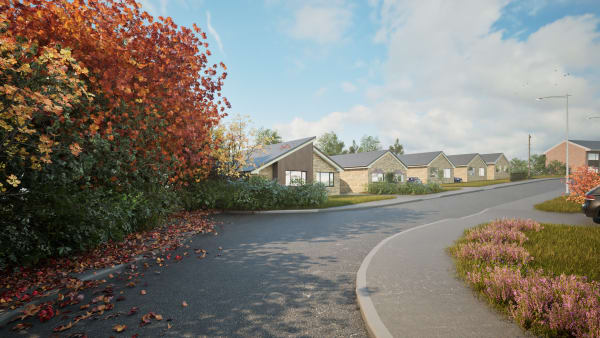
A 1960s Bungalow Gets a Contemporary Rethink in Lichfield
A modest 1960s bungalow in Lichfield is being extended and reconfigured for downsizing clients. Planning is submitted to Lichfield District Council.

Little Eaton Dormer Bungalows Approved, No Amendments Needed
Two backland dormer bungalows in Little Eaton have been approved by Erewash Borough Council with no amendments needed. Here's why that's rarer than it sounds.

JSA Appointed to Design 'The Forest': 73 Apartments for T&T Asset Group in Derby City Centre
T&T Asset Group has appointed JSA to design The Forest, a 73-apartment conversion in Derby city centre, covering architecture, interior design and planning.

The Grange, Finished: A Georgian Villa Restored, Warmed and Handed Back
See the finished restoration of The Grange, a Georgian villa in South Derbyshire. JSA acted as both architect and project manager throughout.
Burley Lane Site Progress Update: Quarndon Home Now Taking Shape
Site progress at Burley Lane in Quarndon: stair structure, basement golf simulator, MVHR routes, full-height glazing and November 2026 completion.
Planning Approved for Bramble Street Office-to-Flats Conversion in Derby
A vacant period office on Bramble Street, Derby, has approval for three flats. Now the unglamorous part: stairs, acoustics, flood notes and drawings.

Justin Smith Architects Is Now JSA Architects
Justin Smith Architects is now JSA Architects. Here’s the story, in Justin’s own words, and what the rebrand means for our clients and the practice.

Welcome to JSA, Joao Bravo
Joao Bravo joins JSA as our 3D artist and visualiser. A University of Derby graduate and qualified architectural technologist, originally from Lisbon.

Light at the End of the Terrace: Contemporary Rear Extension to a Victorian Townhouse in Sutton Coldfield
A contemporary rear extension brings light and space to a Victorian townhouse in Sutton Coldfield, and leaves the period terrace out front exactly as it was.

JSA Architects and British Living Group: Working Together on Derby Co-Living Development
JSA is working with British Living Group, one of the Midlands' most commercially minded developers, on a 27-room co-living conversion in Derby.

Lichfield’s Local Plan Might Be Delayed to 2029. If You’re Thinking About a Project, Here’s What That Means for You
Lichfield District Council may delay its 2043 Local Plan. If that sounds like a reason to pause your project, read this first. It probably isn't.
5,500 Homes Are Coming to Walmley. If You’re Already Living There, This Is Your Cue to Stop Putting Off Your Own Project
Birmingham City Council has approved the groundwork for 5,500 new homes near Walmley. If your own project's been on the back burner, this is your sign.

Planning Approved for Brooklands Luxury Dwelling
Golden Brook Developments had a permission for Brooklands and didn't rate the design. We redesigned it, and South Derbyshire has now approved the new scheme.

Planning Submitted: Brooklands' Redesign Heads to South Derbyshire District Council
The design's done and the application's in. Here's what JSA has proposed for Brooklands, a new home in Weston-on-Trent, South Derbyshire.

JSA Architects Appointed to Redesign Brooklands, a Luxury New Build in Weston-on-Trent
A permission existed and a design was on the table. Golden Brook Developments decided it wasn't good enough. They were right, and they called us.

Two Stand-Out Self-Builds Submitted for Full Planning in Little Eaton
Two bespoke self-build homes in Little Eaton designed for standout architecture and smart investment returns.

Major Family Home Remodel Proposed in Repton, South Derbyshire
Modern extension and full internal remodel proposed for character home in sought-after Repton, South Derbyshire.
Planning Appeal Secured for Bold New Home in Quarndon’s Green Belt
A new home in the Quarndon Green Belt, won at appeal. How strategic planning and a strong design got a Green Belt house over the line in Derbyshire.

Windy Rise, Little Eaton: JSA Architects Appointed and Planning Application Submitted
The Windy Rise plot in Little Eaton lost its bungalow to arsonists in 2017, then spent a decade rewilding. Our design for the hillside is now with the council.

Windy Rise Gets the Green Light: Erewash Borough Council Approves the Hillside Home That Made Councillors Say 'Thunderbirds Are Go'
Planning approved at Windy Rise, Little Eaton. Erewash Borough Council approved this Green Belt replacement dwelling 11-1. See how JSA Architects made the case.

Derby Assembly Rooms - Future of City Centre Development
Why Derby's new Assembly Rooms masterplan validates the mixed-use approach JSA has advocated since 2015.
Bat Surveys and Building Projects: Seasons, Licences and Costs
Bats can hold up homes, commercial sites and listed buildings for most of a year. Survey triggers, council rules, permitted development, licences and costs.
A new appointment in Allestree: refurbish or replace?
A new Allestree appointment prompts a practical guide to refurbishing or replacing a house, with a worked cost example, surveys, fees and planning questions.
JSA Appointed for Listed Building Extension in Amber Valley
JSA is appointed to design a sensitive extension to a Grade II listed stone building in Amber Valley, Derbyshire, going to pre-application with CGI support.
Good Architectural Drawings Matter More Than You Think
Poor architectural drawings create assumptions, delays and cost. See why clear, accurate information matters to homeowners and commercial clients.
HMO or Flats? Why Modern Co-Living Falls Between the Rules
When does an HMO become flats? See how planning, licensing, building regulations and fire safety diverge, and how co-living developers can reduce risk early.
The New NPPF Is Here: What the 2026 Rewrite Means for Your Project
The new NPPF landed on 17 August 2026 and applies to decisions now. What changed for extensions, garden plots, small sites and Midlands projects.
We're Revisiting Our Leisure Portfolio
Twenty years of Midlands pub, bar and restaurant projects, plus a decade behind the bar. What a busy summer tells you about the building you trade from.
We Built an App That Keeps You in the Room
Datum is JSA's own project app. Every client gets a login: latest drawings, the brief, where planning's got to and what we did this week. Free on every project.
Biodiversity Net Gain: A Quick Guide for Anyone Who Isn't an Ecologist
What Biodiversity Net Gain requires for new developments in England: the 10% target, who's exempt, and how to plan for it from day one.
A 1960s Bungalow Gets a Contemporary Rethink in Lichfield
A modest 1960s bungalow in Lichfield is being extended and reconfigured for downsizing clients. Planning is submitted to Lichfield District Council.
Little Eaton Dormer Bungalows Approved, No Amendments Needed
Two backland dormer bungalows in Little Eaton have been approved by Erewash Borough Council with no amendments needed. Here's why that's rarer than it sounds.
JSA Appointed to Design 'The Forest': 73 Apartments for T&T Asset Group in Derby City Centre
T&T Asset Group has appointed JSA to design The Forest, a 73-apartment conversion in Derby city centre, covering architecture, interior design and planning.
The Grange, Finished: A Georgian Villa Restored, Warmed and Handed Back
See the finished restoration of The Grange, a Georgian villa in South Derbyshire. JSA acted as both architect and project manager throughout.
Burley Lane Site Progress Update: Quarndon Home Now Taking Shape
Site progress at Burley Lane in Quarndon: stair structure, basement golf simulator, MVHR routes, full-height glazing and November 2026 completion.
Planning Approved for Bramble Street Office-to-Flats Conversion in Derby
A vacant period office on Bramble Street, Derby, has approval for three flats. Now the unglamorous part: stairs, acoustics, flood notes and drawings.
Justin Smith Architects Is Now JSA Architects
Justin Smith Architects is now JSA Architects. Here’s the story, in Justin’s own words, and what the rebrand means for our clients and the practice.
Welcome to JSA, Joao Bravo
Joao Bravo joins JSA as our 3D artist and visualiser. A University of Derby graduate and qualified architectural technologist, originally from Lisbon.
Light at the End of the Terrace: Contemporary Rear Extension to a Victorian Townhouse in Sutton Coldfield
A contemporary rear extension brings light and space to a Victorian townhouse in Sutton Coldfield, and leaves the period terrace out front exactly as it was.
JSA Architects and British Living Group: Working Together on Derby Co-Living Development
JSA is working with British Living Group, one of the Midlands' most commercially minded developers, on a 27-room co-living conversion in Derby.
Lichfield’s Local Plan Might Be Delayed to 2029. If You’re Thinking About a Project, Here’s What That Means for You
Lichfield District Council may delay its 2043 Local Plan. If that sounds like a reason to pause your project, read this first. It probably isn't.
5,500 Homes Are Coming to Walmley. If You’re Already Living There, This Is Your Cue to Stop Putting Off Your Own Project
Birmingham City Council has approved the groundwork for 5,500 new homes near Walmley. If your own project's been on the back burner, this is your sign.
Planning Approved for Brooklands Luxury Dwelling
Golden Brook Developments had a permission for Brooklands and didn't rate the design. We redesigned it, and South Derbyshire has now approved the new scheme.
Planning Submitted: Brooklands' Redesign Heads to South Derbyshire District Council
The design's done and the application's in. Here's what JSA has proposed for Brooklands, a new home in Weston-on-Trent, South Derbyshire.
JSA Architects Appointed to Redesign Brooklands, a Luxury New Build in Weston-on-Trent
A permission existed and a design was on the table. Golden Brook Developments decided it wasn't good enough. They were right, and they called us.
Two Stand-Out Self-Builds Submitted for Full Planning in Little Eaton
Two bespoke self-build homes in Little Eaton designed for standout architecture and smart investment returns.
Major Family Home Remodel Proposed in Repton, South Derbyshire
Modern extension and full internal remodel proposed for character home in sought-after Repton, South Derbyshire.
Planning Appeal Secured for Bold New Home in Quarndon’s Green Belt
A new home in the Quarndon Green Belt, won at appeal. How strategic planning and a strong design got a Green Belt house over the line in Derbyshire.
Windy Rise, Little Eaton: JSA Architects Appointed and Planning Application Submitted
The Windy Rise plot in Little Eaton lost its bungalow to arsonists in 2017, then spent a decade rewilding. Our design for the hillside is now with the council.
Windy Rise Gets the Green Light: Erewash Borough Council Approves the Hillside Home That Made Councillors Say 'Thunderbirds Are Go'
Planning approved at Windy Rise, Little Eaton. Erewash Borough Council approved this Green Belt replacement dwelling 11-1. See how JSA Architects made the case.
Derby Assembly Rooms - Future of City Centre Development
Why Derby's new Assembly Rooms masterplan validates the mixed-use approach JSA has advocated since 2015.
